1. Aesthetic Appeal: Style and Design Flexibility Is It Better to Use Wallpaper or Paint for Modern Interiors? When it comes to modern interior design, aesthetics play a huge role…
You’ve rolled the first coat, stepped back, and spotted streaks, patchy colour, and a faint reminder of the old feature wall. Does it need another coat, a different roller, or…
You can spend weeks choosing the perfect wall painting services, only to discover it looks completely different once the room is painted. Sometimes the colour isn’t the problem—it’s the sheen.…
Painting your home can be a lot of fun, but let’s be honest: DIY painting doesn’t always go as planned. Even small mistakes can make your walls look messy or…
Painting your home can completely refresh its appearance, but before any brush touches the wall, ensuring that your walls are in good condition is crucial. Repairing wall damage before Residential…
Selling a residential property is both a financial and emotional decision. Homeowners often face a critical question before listing their property on the market: Is interior house painting worth it…
House painting in Australia is uniquely challenging due to the country’s diverse and often extreme climate. From intense UV radiation and scorching summer heat to high humidity, sudden rainfall, and…
Commercial painting is a specialised craft that demands more than simply applying a coat of paint. In Melbourne, professional painters combine technical skill, precision and extensive knowledge of materials to…
Table of Contents
Selling a residential property is both a financial and emotional decision. Homeowners often face a critical question before listing their property on the market: Is interior house painting worth it before selling your home? The answer is rarely a simple yes or no. It depends on buyer psychology, property condition, market expectations, and return on investment. However, in most Australian property markets, particularly competitive metropolitan areas, professional interior house painting is one of the most cost-effective ways to improve sale outcomes.
This article provides a comprehensive, educational analysis to help homeowners make an informed decision. It explores how interior house painting influences buyer perception, property value, time on market, and overall sales performance, while also addressing common misconceptions and practical considerations.
Understanding First Impressions in the Property Market
When potential buyers walk into a home for the first time, they form an impression within seconds. This initial judgement is rarely conscious, yet it significantly influences how buyers perceive value. House Painting plays a central role in shaping this first impression.
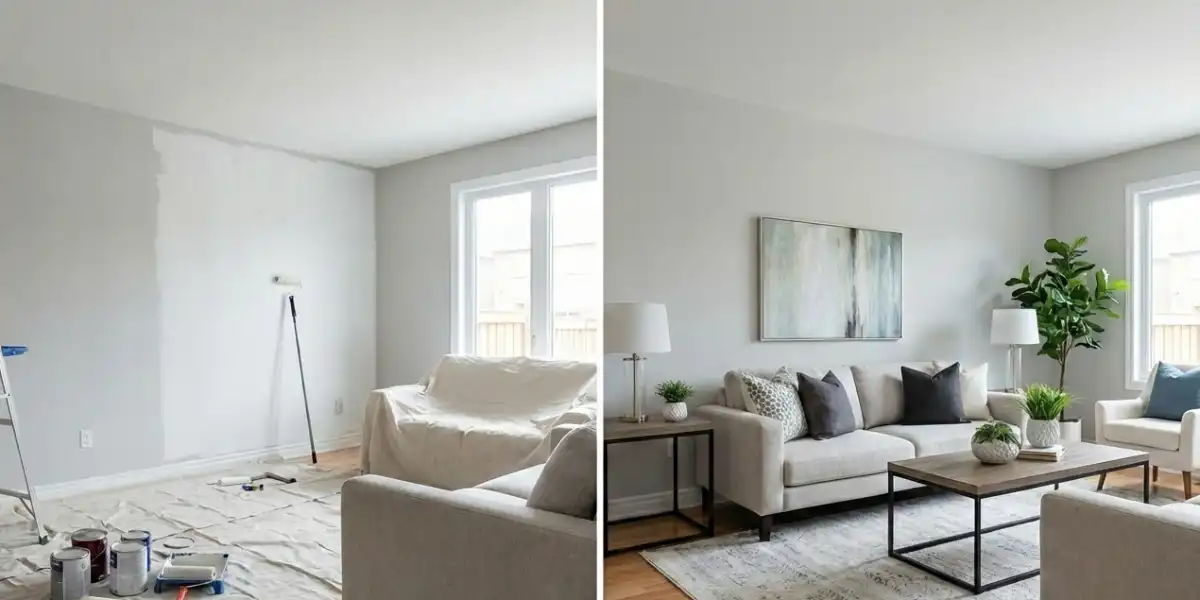
Walls occupy the largest visible surface area inside a home. Scuffed paint, outdated colours, uneven finishes, or visible repairs subconsciously signal neglect, even if the structure itself is sound. Conversely, clean, professionally painted interiors create a sense of care, freshness, and readiness. Buyers are more likely to feel confident that the home has been well maintained, which reduces hesitation and emotional resistance.
In the context of selling, perception often carries as much weight as reality. A freshly painted interior allows buyers to focus on layout, natural light, and space rather than visual distractions or imagined repair costs.
How Interior House Painting Influences Buyer Psychology
Property purchases are driven by emotion first and logic second. Buyers are not only purchasing walls and floors; they are buying a lifestyle and a future sense of comfort. Interior house painting directly affects this emotional response.
Neutral, modern colour palettes help buyers visualise themselves living in the space. Strong or personalised colours, while meaningful to the homeowner, can alienate potential buyers by forcing them to mentally repaint the home before even making an offer. This added mental effort often translates into lower perceived value.
Fresh paint also creates a subtle impression of cleanliness and hygiene. Even when a home is professionally cleaned, worn paint can make spaces feel tired or dated. Buyers tend to associate fresh paint with move-in readiness, reducing perceived inconvenience and increasing willingness to pay closer to the asking price.
The Relationship Between Interior House Painting and Property Value
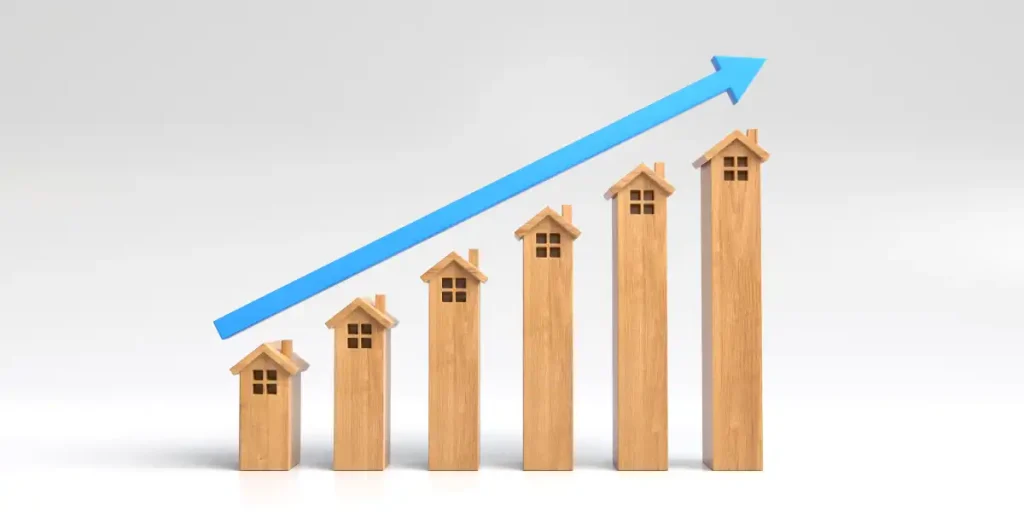
One of the most common questions homeowners ask is whether interior house painting genuinely increases property value. While painting may not dramatically alter the formal valuation of a property, it significantly affects the final sale price achieved in the open market.
In many cases, the cost of professional interior house painting represents a small fraction of the property’s value, yet it can yield a disproportionately positive outcome. Properties with freshly painted interiors often attract more interest, generate stronger competition, and receive higher initial offers. This effect is amplified in markets where buyers expect turnkey properties rather than renovation projects.
Importantly, interior house painting helps protect value rather than simply add to it. A poorly presented interior can lead buyers to discount their offers well beyond the actual cost of repainting, as they factor in inconvenience, uncertainty, and additional perceived issues.
Impact on Time on Market and Buyer Demand
Time on market is a critical metric when selling a home. The longer a property remains listed, the more negotiating power shifts toward buyers. Interior house painting can materially influence how quickly a property sells.
Homes with clean, neutral interiors photograph better, which improves online listing performance. Given that most buyers begin their search online, interior presentation directly affects click-through rates, inspection attendance, and enquiry volume. A well-painted home stands out in listing photos and appears more professionally presented.
When buyer interest is strong early in the campaign, sellers are more likely to receive multiple offers. This competitive dynamic often results in stronger sale prices and more favourable terms. In contrast, properties that require visible cosmetic work may experience slower uptake and repeated price adjustments.
Cost Versus Return: A Practical Perspective
From a financial standpoint, interior house painting is one of the most predictable pre-sale investments. Unlike major renovations, painting has a defined scope, timeline, and cost. This makes it easier for homeowners to budget and assess potential return.
While exact returns vary depending on market conditions and property type, the general principle remains consistent. The cost of painting is often significantly lower than the price reduction buyers will demand if the home appears dated or poorly maintained. Buyers tend to overestimate renovation costs, particularly when multiple rooms require attention.
Professional painting also eliminates visible defects such as patch marks, hairline cracks, and uneven finishes, which buyers may interpret as structural concerns. Addressing these issues pre-sale helps maintain buyer confidence throughout the inspection and negotiation process.
When Interior House Painting Is Especially Worthwhile
Interior house painting is particularly valuable when a property shows signs of wear or outdated styling. Homes with bold or dark colour schemes, visible scuffing, or inconsistent finishes benefit greatly from repainting. Older properties often gain the most from this improvement, as fresh paint modernises the interior without altering the character of the home.
Painting is also highly beneficial for investment properties or rentals being sold to owner-occupiers. Tenanted homes often exhibit cosmetic wear that, while acceptable during occupancy, can deter buyers seeking a well-presented family home.
In competitive markets, interior house painting can be the differentiating factor that sets a property apart from similar listings. When buyers are choosing between comparable homes, presentation frequently becomes the deciding factor.
Choosing the Right Colours and Finishes for Sale
Not all interior house painting delivers the same result. Colour selection and finish choice are critical to achieving the desired outcome. For resale purposes, the goal is to appeal to the broadest possible audience rather than express personal taste.
Soft neutrals, warm whites, and light greys are commonly favoured because they enhance natural light and create a sense of space. Consistency across rooms helps the home feel cohesive and professionally finished. Matte or low-sheen finishes are typically preferred for living areas, while more durable finishes are suitable for kitchens and bathrooms.
Professional painters understand how lighting conditions, room size, and architectural features interact with colour. Their expertise ensures the final result supports the property’s strengths rather than highlighting its limitations.
Professional Interior House Painting Versus DIY
Some homeowners consider painting themselves to reduce costs. While this approach may appear economical, it often introduces risk when selling a home. Inconsistent coverage, visible brush marks, and uneven edges are easily noticed by buyers and inspectors.
Professional interior house painting delivers a level of finish that is difficult to achieve without experience, specialised tools, and proper surface preparation. Professionals also complete the work efficiently, minimising disruption and ensuring the property is market-ready within a predictable timeframe.
From a sales perspective, buyers tend to trust professional workmanship. A professionally painted home reinforces the perception that maintenance and upgrades have been handled correctly, which supports smoother negotiations.
Common Misconceptions About Pre-Sale Painting
A frequent misconception is that buyers prefer to repaint themselves and therefore do not value fresh paint. In practice, most buyers prefer homes that require minimal immediate work. While some may plan future renovations, they still respond more positively to a home that presents well at the time of purchase.
Another misconception is that painting only matters for high-end properties. In reality, presentation matters across all price brackets. In more affordable segments, buyers are often more sensitive to perceived additional costs, making interior house painting equally, if not more, important.
Final Assessment: Is Interior House Painting Worth It Before Selling Your Home?
When evaluating whether interior house painting is worth it before selling your home, the evidence consistently supports its value. It enhances first impressions, strengthens emotional appeal, protects perceived value, and improves market performance. While it may not increase a formal valuation, it often contributes to higher sale prices, faster transactions, and smoother negotiations.
For homeowners seeking a practical, low-risk way to maximise sale outcomes, professional interior house painting is one of the most effective pre-sale improvements available. When executed with the right colours, finishes, and workmanship, it positions a property to meet buyer expectations and compete confidently in the market.
In most cases, interior house painting is not merely worth it. It is a strategic decision that aligns presentation with buyer psychology and market realities, ultimately supporting a more successful sale.
Frequently Asked Questions
Is it better to paint the entire house or only certain rooms before selling?
In most cases, painting high-impact areas such as living rooms, hallways, kitchens, and bedrooms delivers the strongest return. However, inconsistent finishes between rooms can negatively affect presentation, so a full interior repaint is often the most effective approach for achieving a cohesive result.
What colours are best for interior house painting when selling a property?
Neutral colours such as warm whites, soft greys, and light beige tones are best for selling. These colours maximise light, make rooms feel larger, and appeal to the widest range of buyers, reducing objections related to personal taste.
Will buyers plan to repaint anyway, making painting unnecessary?
While some buyers plan future changes, most prefer homes that require minimal immediate work. Fresh interior house painting removes friction from the decision-making process and improves emotional engagement during inspections.
How much should I expect to spend on interior house painting before selling?
Costs vary based on property size, condition, and scope of work, but interior house painting is generally one of the most affordable pre-sale improvements. Its cost is often far lower than the price reductions buyers may demand for a poorly presented interior.