How Many Coats of Paint Are Needed for Interior Walls?
If you are planning to refresh your home, one of the most common and important questions is: how many coats of paint are needed for interior walls? The answer is…

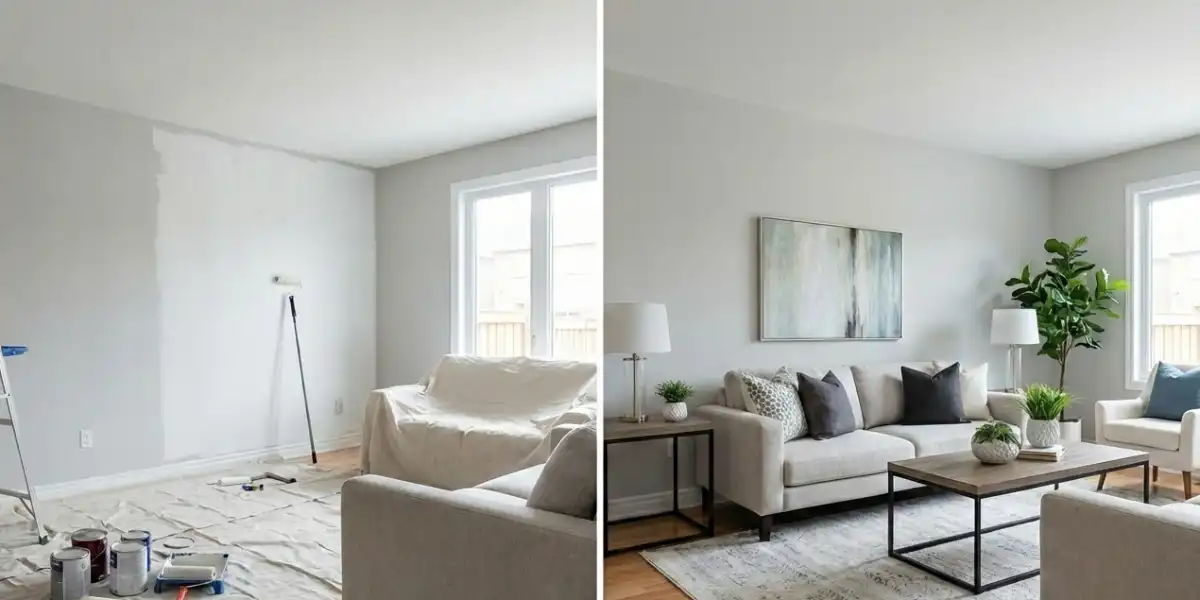



If you are planning to refresh your home, one of the most common and important questions is: how many coats of paint are needed for interior walls? The answer is not always as simple as two coats. It depends on the surface condition, the previous colour, the type of paint, and even local environmental factors such as humidity and light exposure.
For homeowners in Melbourne and surrounding suburbs, understanding the correct number of coats is essential not only for achieving a flawless finish, but also for ensuring durability in varied Victorian conditions. This comprehensive guide explains how many coats of paint are needed for Interior House Painting, why it matters, and how to avoid common painting problems.
Before deciding how many coats of paint are needed for interior walls, it is important to understand what each coat actually does.
Primer is not simply an optional extra. It creates a stable, uniform surface that allows paint to adhere properly. It also blocks stains, seals porous materials and improves colour accuracy.
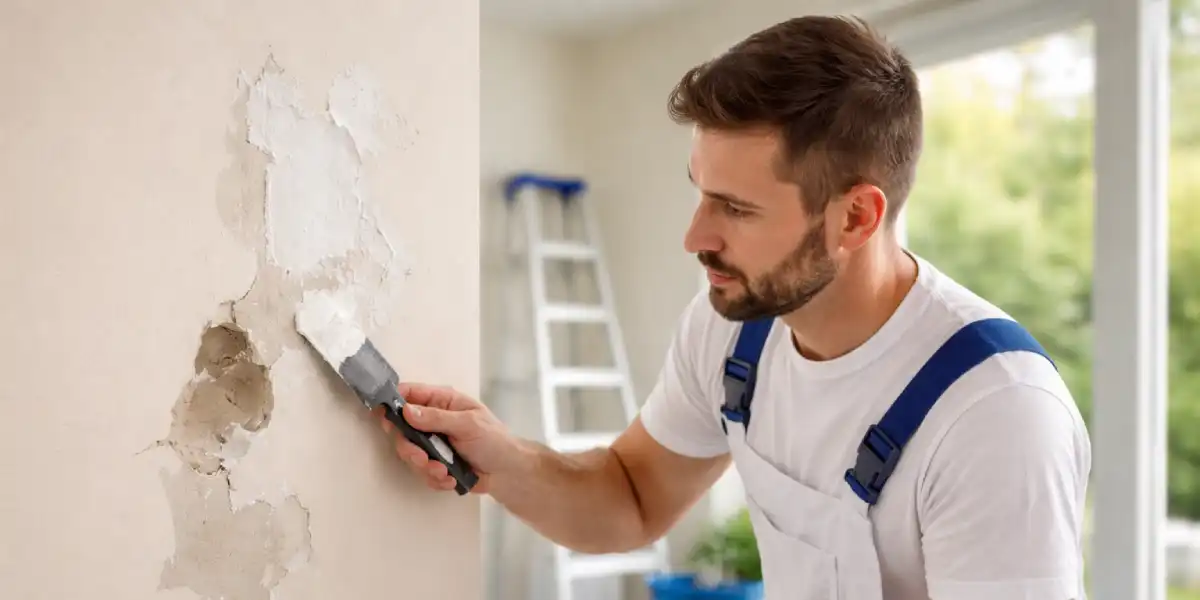
In many Melbourne homes, particularly older properties in suburbs such as Brunswick, Footscray or Werribee, walls may have patched plaster, repaired cracks or water marks. In these cases, a primer coat is essential before applying top coats.
The first coat of paint establishes the base colour. However, it rarely delivers full coverage on its own. It often reveals inconsistencies in surface texture, minor roller marks or uneven absorption.
This is why one coat is almost never sufficient for professional results.
The second coat ensures colour depth, uniformity and durability. It enhances washability and improves the long-term performance of the finish, particularly in high-traffic areas such as hallways, kitchens and living spaces. In most standard repainting scenarios, two top coats over a properly prepared surface provide optimal results. For homeowners seeking long-lasting and professionally applied finishes, consulting specialists in House Painting Melbourne can ensure the correct preparation methods and coating system are used for your specific property conditions.

In typical residential painting projects across Melbourne, the standard professional approach is one coat of primer where required and two coats of quality interior paint.
However, several factors influence whether two coats are sufficient or whether additional coats are necessary.
Fresh plasterboard is highly porous. Without proper priming, it will absorb paint unevenly, leading to patchiness and inconsistent sheen.
For new builds or renovations in growing suburbs like Tarneit or Point Cook, the correct system is one full primer-sealer coat followed by two top coats. In some cases, darker colours may require a third coat to achieve full opacity.
If the existing paint is in good condition and you are repainting with a similar colour, two coats are typically sufficient.
However, if you are changing from a dark colour to a light one, you may require an additional coat or a tinted primer to prevent bleed-through.
One of the biggest determinants of how many coats of paint are needed for interior walls is the colour transition.
Covering deep navy, charcoal or burgundy walls with white or pastel shades usually requires more effort. Even high-quality paints may struggle to fully mask strong underlying tones in just two coats.
Using a high-opacity primer can reduce the need for excessive top coats and save time in the long term.
While painting over light colours with darker shades may seem easier, certain bold colours such as red or deep blue often require additional coats to achieve richness and uniformity.
Professional painters in Melbourne often test a sample area first to determine whether two coats will be sufficient.
Not all paints perform equally. Premium paints generally offer better pigmentation, improved coverage and higher durability.
Lower-cost paints may appear economical initially but often require extra coats to achieve the same depth of colour. This increases labour time and material usage.
In Australia, climate considerations also matter. Melbourne’s fluctuating humidity and temperature shifts mean selecting a high-quality interior paint with strong adhesion properties is essential for longevity.
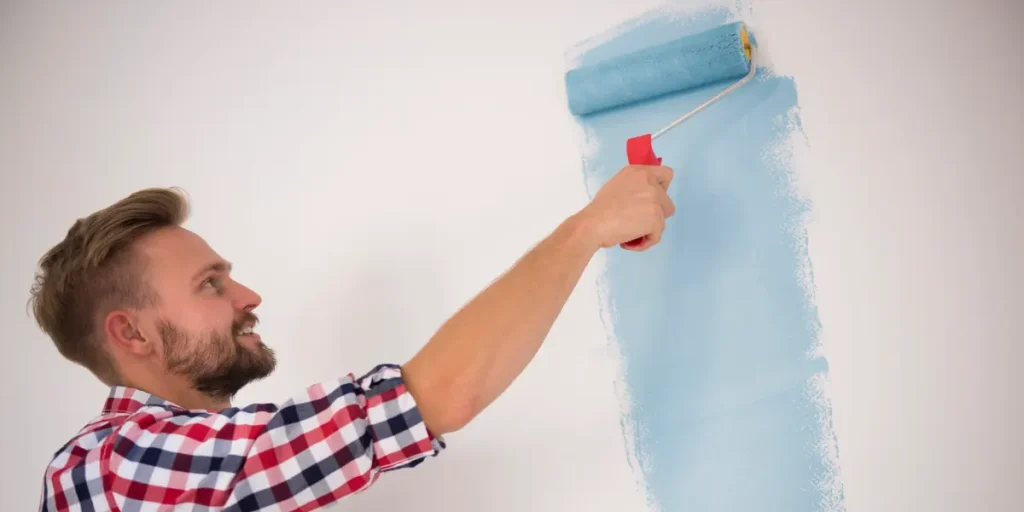
No discussion about how many coats of paint are needed for interior walls is complete without addressing surface preparation.
Walls with filler patches, sanded repairs or water damage absorb paint differently from surrounding areas. Without spot priming, these areas may flash through the finish.
Painting over glossy surfaces without sanding can cause poor adhesion. Even multiple coats may fail if the surface has not been properly prepared.
Correct preparation, including cleaning, sanding and priming, often reduces the need for excessive top coats.
Natural and artificial lighting significantly influence how paint appears once applied.
Homes in Melbourne’s inner suburbs often feature large windows and strong natural light. In contrast, some townhouses or apartments may rely heavily on artificial lighting.
In bright spaces, imperfections and uneven coverage are more noticeable. This can make an additional coat worthwhile to achieve a truly professional result.
Testing paint under different lighting conditions before final application helps prevent disappointment.
Different rooms place different demands on paint performance.
Higher moisture levels mean paint must be durable and washable. Two full coats of a quality mould-resistant paint are strongly recommended.
These areas typically require two coats, provided preparation is thorough and colour transitions are minimal.
Hallways and stairwells often benefit from an extra coat for added durability, particularly in family homes.
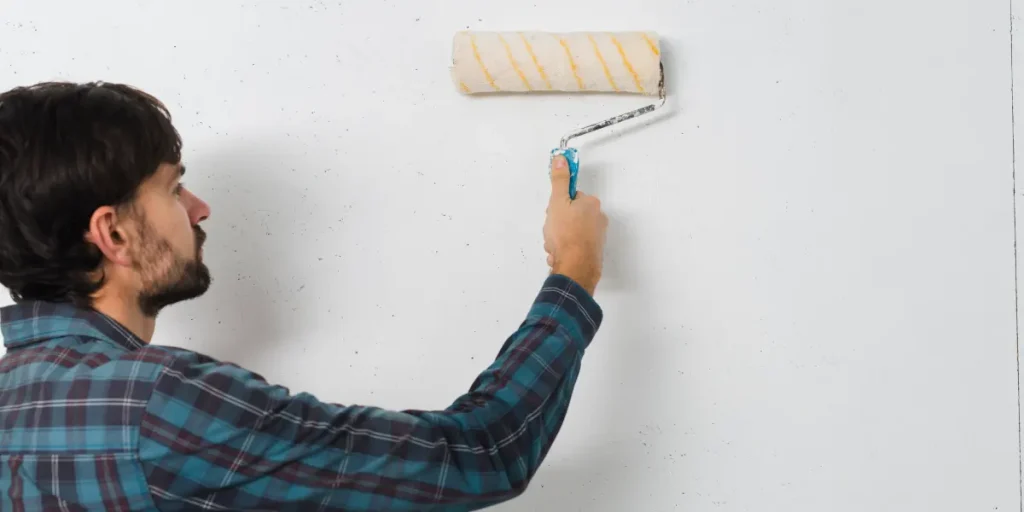
Applying too few coats can lead to several issues.
Uneven colour distribution is one of the most common complaints. Patchy areas, visible roller lines and inconsistent sheen levels may appear once the paint dries.
Durability is another concern. Thin paint layers wear more quickly, especially in busy households. Scuff marks and cleaning damage become more visible over time.
Poor coverage may also reduce resale appeal. If you are preparing a property for sale in Melbourne’s competitive market, professional-quality results can influence buyer perception.
Rushing the process can compromise results.
In Melbourne’s cooler months, drying times may be extended due to lower temperatures and higher humidity. Always follow the manufacturer’s recommended recoat times.
Applying a second coat too early can cause peeling, bubbling or uneven texture.
Patience during the drying stage ensures stronger adhesion and a smoother finish.
There are limited scenarios where a single coat might suffice. If you are refreshing a recently painted wall with the same colour and using a high-opacity premium paint, one maintenance coat may be acceptable.
However, this is rarely recommended for full room repaints or colour changes.
Professional standards almost always involve at least two coats for consistent and durable results.
Three coats may be required in specific situations.
Dramatic colour changes, heavily stained walls, strong underlying tones or lower-quality previous paint layers can all justify a third coat.
In prestige homes across Melbourne suburbs, where finish quality is paramount, applying an additional coat can elevate the final result.
Homeowners often underestimate how technique influences coverage.
Uneven roller pressure, overloaded brushes or inconsistent cutting-in can make it appear that more coats are required.
Professional painters use controlled methods to ensure even distribution and optimal coverage with each pass.
If you are uncertain about how many coats of paint are needed for interior walls in your home, consulting experienced interior painters in Melbourne can prevent costly mistakes.
The number of coats directly impacts labour and material costs.
While reducing coats may appear to save money, it can lead to premature repainting and higher long-term expenses.
For homeowners in suburbs across Melbourne’s west, north and south-east, investing in proper preparation and two full coats typically delivers the best balance between cost and durability.
In most standard situations, the correct answer to how many coats of paint are needed for interior walls is two top coats over a properly prepared surface, with primer applied where required.
Additional coats may be necessary depending on colour transition, surface condition and paint quality.
Cutting corners rarely produces professional results. Adequate preparation, appropriate drying times and high-quality materials are key to achieving a smooth, long-lasting finish in Melbourne homes.
If you want interior walls that look refined, resist wear and enhance your property’s value, applying the correct number of coats is not optional. It is essential.
For tailored advice specific to your suburb or property type in Melbourne, professional guidance ensures your interior painting project is completed to the highest standard.
Ceilings usually require two coats, similar to walls. However, ceilings often reflect light differently and may reveal roller marks more easily. Using a flat ceiling-specific paint and maintaining consistent roller pressure reduces the need for extra coats.
Applying excessively thick coats is not recommended. Thick application increases drying time, can cause sagging or cracking, and may lead to uneven curing. Two properly applied medium coats will always outperform one heavy coat in terms of durability and appearance.
In many cases, yes. A high-quality primer improves adhesion and creates a uniform base, which enhances coverage efficiency. Particularly when changing colours dramatically, priming may prevent the need for a third finish coat.

All rights reserved for Finish Painting & Maintenance Pty Ltd
ⓒ Copyright 2024