How Many Coats of Paint Are Needed for Interior Walls?
If you are planning to refresh your home, one of the most common and important questions is: how many coats of paint are needed for interior walls? The answer is…


How can you choose the right tools for the best interior house painting in Melbourne? The quality of your finish, the time you spend and even the amount of paint you use all depend on whether you reach for a brush, a roller or a sprayer. In this guide, we’ll explore interior house painting tools compared in depth, helping you understand the strengths and weaknesses of each so you can pick the best option (or combination) for your home.
Whether you’re refreshing a single room or tackling a full renovation in 2026, these insights draw from current trends, including the rise of low-VOC paints from popular Australian brands like Dulux and Taubmans and ergonomic tools designed for easier DIY work.
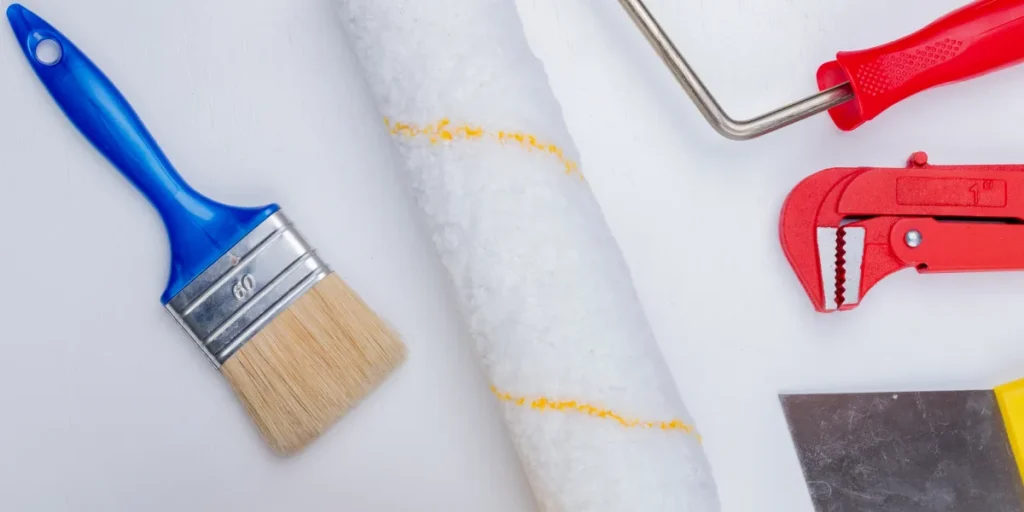
Painting the interior of your home can be a straightforward task if you have the right tools. Using proper equipment not only makes the process faster but also ensures a professional-looking finish. Here’s a list of essential tools every interior painter should have:
1. Paint Brushes
2. Paint Rollers
3. Paint Trays and Liners
4. Painter’s Tape
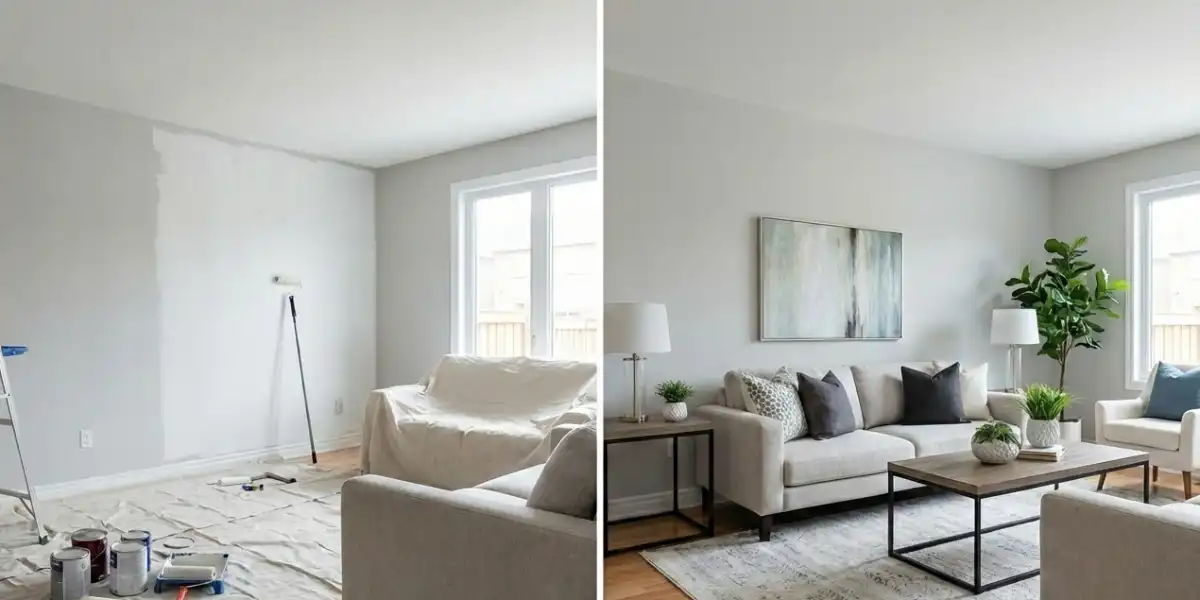
5. Drop Cloths or Plastic Sheeting
6. Sandpaper or Sanding Blocks
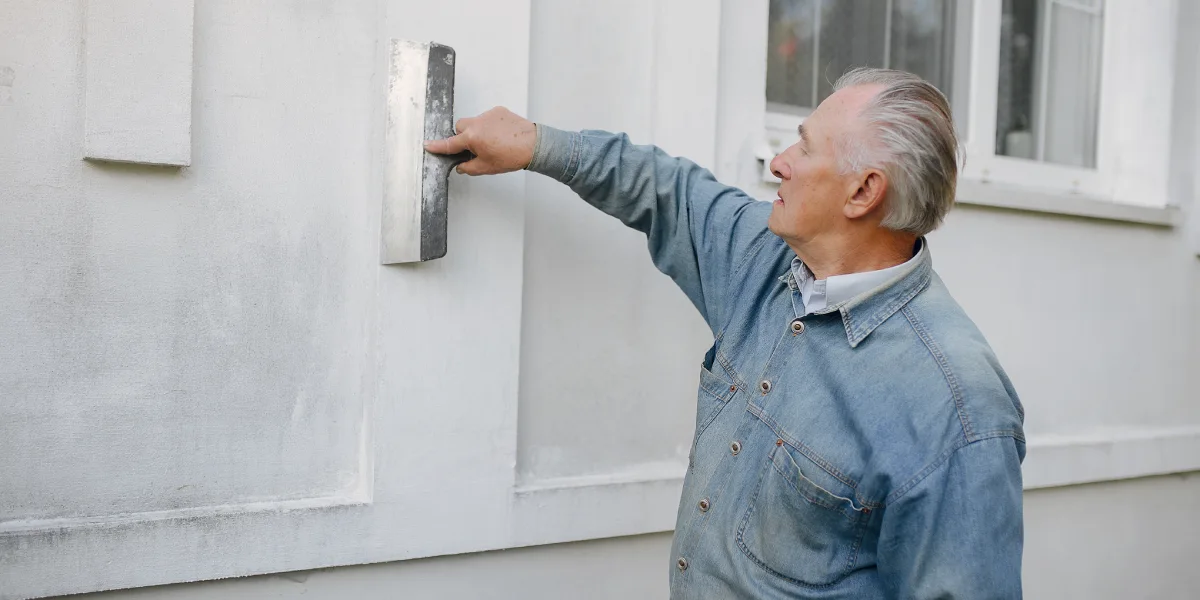
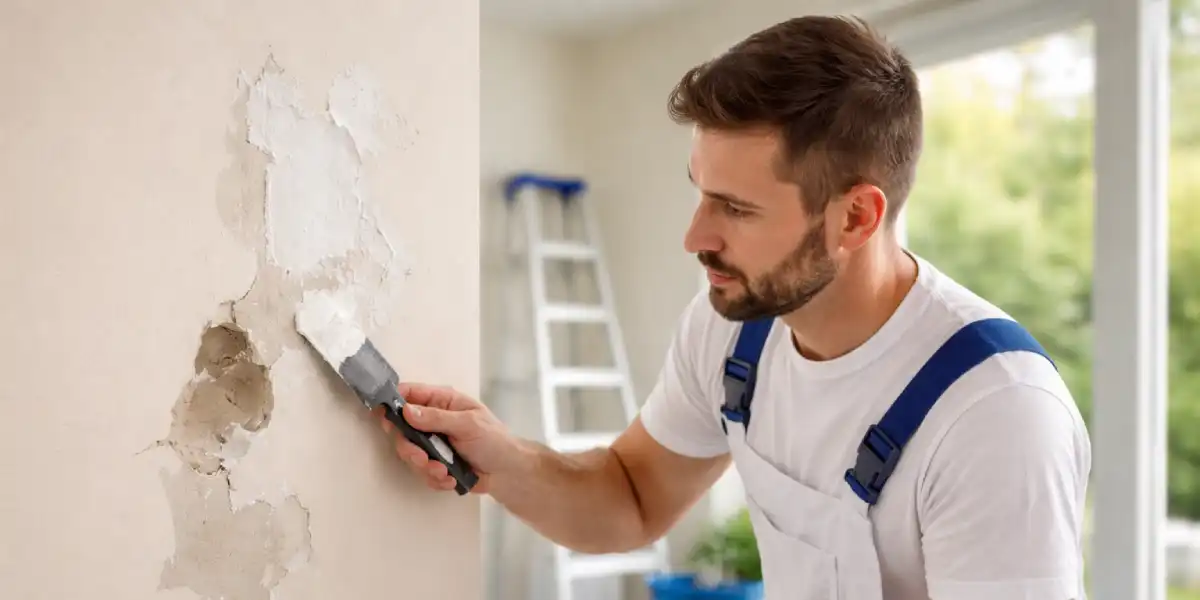
7. Putty Knife and Filler
8. Paint Stirrer or Mixing Stick
9. Step Ladder or Extension Ladder
10. Paint Sprayer (Optional)
11. Cleaning Supplies
The tools you use directly impact the final look and durability of your paint job. Brushes offer control for detailed areas, rollers provide efficient coverage for broad surfaces, and sprayers deliver a flawless, factory-like finish. Factors like room size, surface texture (smooth plaster versus textured walls), paint type (water-based latex is common in Australia), and your experience level all play a role.
In today’s market, tools are evolving with better ergonomics and compatibility with eco-friendly paints. Pairing the right tool with quality products from brands like Dulux Wash&Wear or Taubmans Endure ensures better adhesion and longevity indoors.
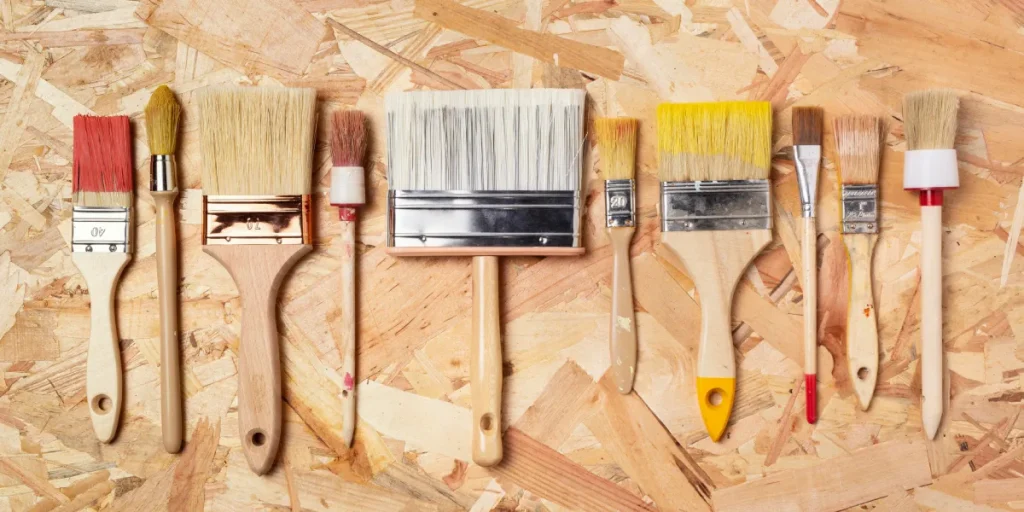
Paint brushes have been a staple for generations, and they remain essential for achieving clean, professional edges in interior work.
High-quality brushes feature synthetic bristles for water-based paints (the most common choice in Australian homes) or natural bristles for oil-based options. Angled sash brushes, typically 50–75mm wide, are ideal for “cutting in” around ceilings, windows, doors, and skirting boards. Investing in reputable brands like Purdy or Wooster means bristles that hold more paint, release it evenly, and last longer with proper care.
The real strength of brushes lies in their precision. They allow you to create sharp lines without relying heavily on masking tape, which is perfect for intricate trims or feature walls. On smaller surfaces or in tight spaces, brushes minimise waste and give you full control.
That said, brushes can be time-consuming for large areas, and inexperienced users might end up with visible stroke marks if the paint dries too quickly or technique isn’t consistent. Cleanup involves thorough washing, and fatigue can set in during extended sessions.
Brushes are indispensable for detailed work, edging and touch-ups. They’re the go-to for skirting, architraves and any area requiring accuracy.
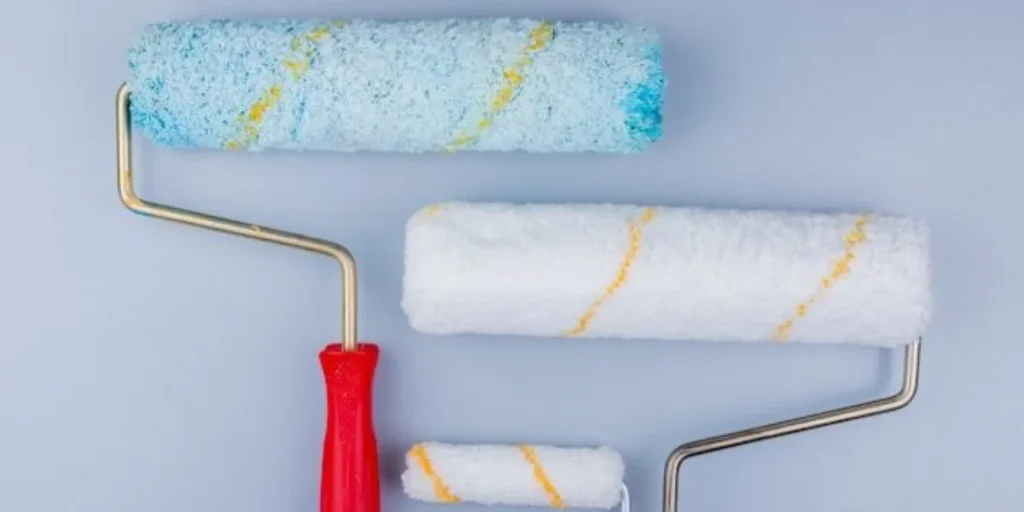
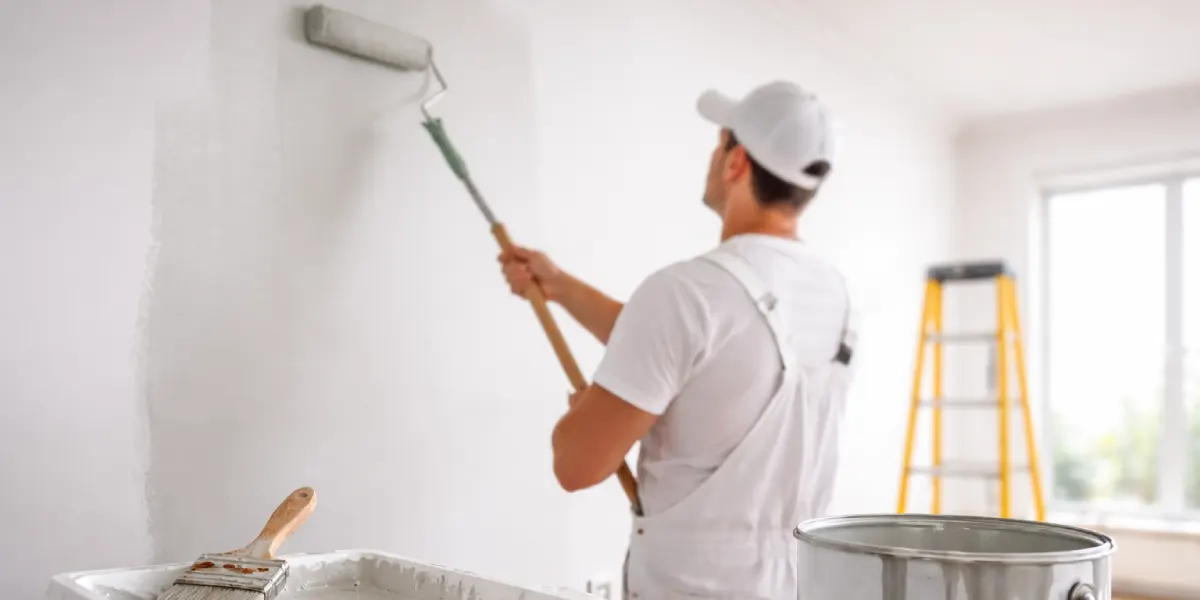
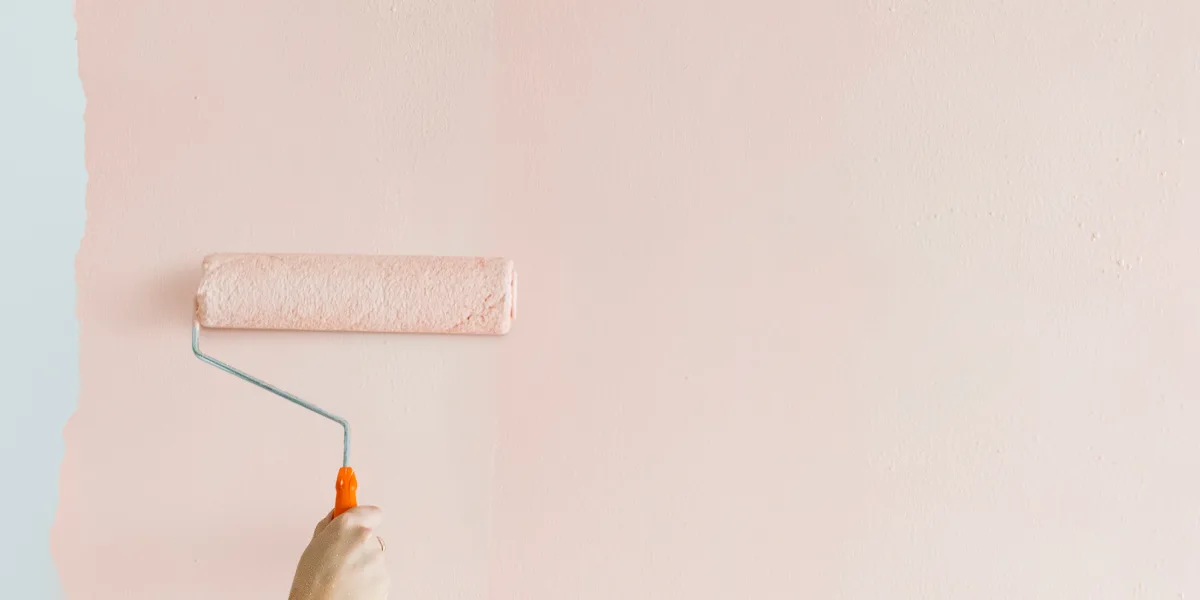
In most House painting in Melbourne, rollers strike the perfect balance between speed and quality.
Rollers consist of a frame, handle, and interchangeable sleeves (known as “naps”). Choose a short nap (6–10mm) for smooth surfaces like gypsum walls, medium (12–18mm) for lightly textured ones, and longer for heavier textures. Microfibre sleeves are popular in 2026 for their excellent paint pickup and smooth release, reducing splatter.
Rollers cover ground quickly (often several times faster than brushes) while distributing paint evenly to avoid lap marks. They’re forgiving for beginners and work brilliantly with low-VOC formulations from Dulux or Taubmans, providing a consistent finish on expansive areas.
However, rollers aren’t great for precision; you’ll still need a brush for edges and corners. Overloading can cause drips, and on very smooth surfaces, a subtle texture (orange peel effect) might appear if the nap isn’t right.
Rollers shine on walls, ceilings, and open-plan spaces. Add an extension pole for high areas, and they’re ideal for most interior projects in average-sized Australian homes.
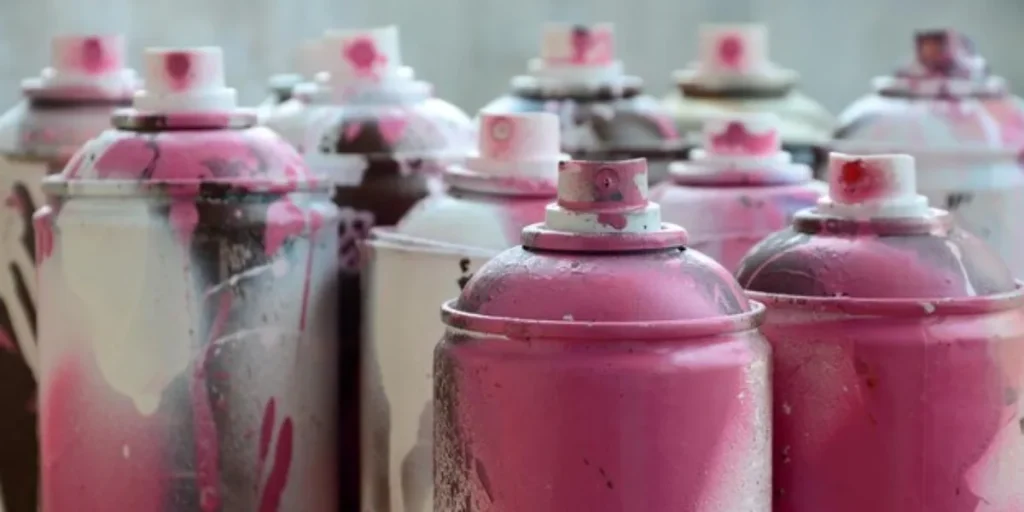
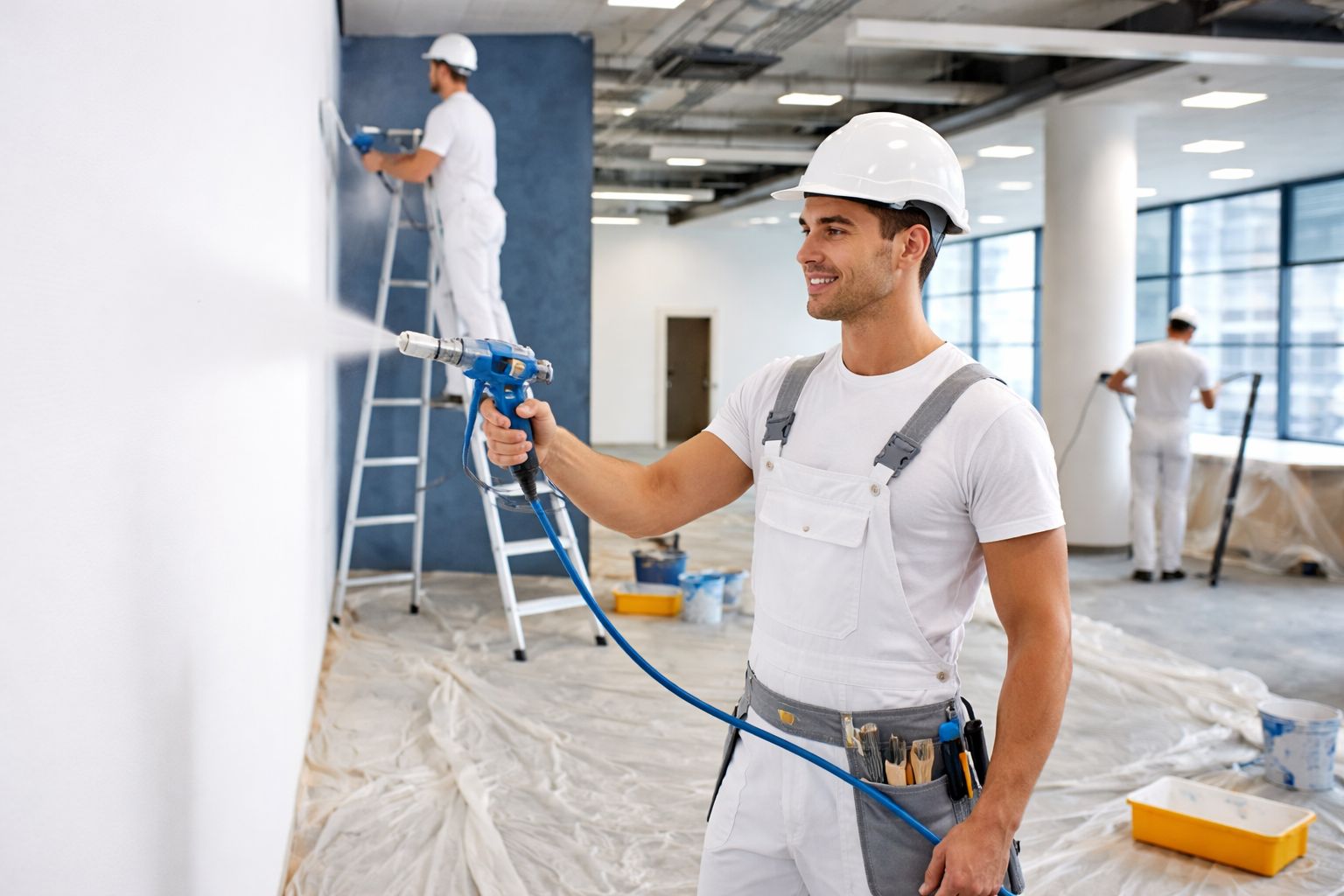
Paint sprayers bring professional-level results to DIY projects by atomising paint into a fine mist for ultra-even application.
Modern options include handheld HVLP (high-volume low-pressure) models for smaller jobs and airless sprayers for larger ones. Battery-powered versions from brands like Wagner or Ozito offer cordless convenience, making them more accessible in 2026.
Sprayers excel in speed, covering a room in a fraction of the time needed for rolling. They produce no brush or roller marks, penetrating textures evenly for a smooth, high-end look , perfect for modern interiors or cabinetry.
The drawbacks include higher upfront costs (entry-level models start around $300–$500 at Bunnings), significant preparation (masking everything to avoid overspray), and a learning curve to prevent runs or uneven coverage. Cleanup is more involved, and they use more paint due to mist waste.
Sprayers are best for large, empty rooms, new builds, or when you want that seamless finish on textured surfaces or multiple coats..
Here’s how brushes, rollers, and sprayers stack up across key factors:
| Aspect | Brushes | Rollers | Sprayers |
| Speed | Slowest – ideal for careful, detailed work | Fast – great for covering walls and ceilings quickly | Fastest – perfect for large areas and multiple rooms |
| Finish Quality | Excellent precision around edges; risk of visible brush marks if technique isn’t spot-on | Even and smooth on flat surfaces; minimal marks with the right sleeve | Seamless, factory-like professional finish with no brush or roller marks |
| Ease for Beginners | Moderate – requires good technique to avoid streaks | Easiest to learn and most forgiving for new painters | Steeper learning curve – practice needed to prevent runs or uneven coverage |
| Best Surfaces | Edges, trims, skirtings, small areas, and detailed features | Large flat walls, ceilings, and open-plan spaces | Textured walls, broad areas, high ceilings, and complex surfaces |
| Prep & Cleanup | Moderate – wash thoroughly after use | Quick – sleeves can be cleaned or swapped easily | Extensive – heavy masking required plus system flushing |
| Paint Efficiency | Least waste – very controlled application | Good – efficient coverage with minimal excess | More waste due to overspray, but faster overall application |
in many projects, professionals and experienced DIYers combine tools: brushes for cutting in, rollers for main areas, and sprayers for ultimate speed on big jobs.
Think about your specific project:
Small rooms favour brushes and rollers; large or multi-room jobs benefit from sprayers.
Brushes and rollers are cheapest to start; sprayers save time but cost more initially.
Beginners often start with rollers for forgiving results.
Ensure tools match , synthetics for water-based Dulux or Taubmans paints.
Use low-VOC paints and good ventilation, especially with sprayers.
Always test on a small area and prioritise safety with masks and drop sheets.
Proper technique elevates any tool. Load brushes lightly and maintain a wet edge to avoid marks. For rollers, use a “W” or “M” pattern, rolling back over wet paint for evenness. With sprayers, keep consistent distance (about 30cm) and overlap passes by 50%.
Preparation is crucial: Clean and patch walls, prime if needed, and protect floors and furniture. Choose quality accessories like sturdy trays, extension poles, and frog tape for crisp lines.
Clean tools immediately (water for latex paints) and store properly to extend their life.
When comparing interior house painting tools, there’s no one-size-fits-all winner. Brushes deliver unmatched precision, rollers offer reliable efficiency for everyday jobs, and sprayers provide speed and superior finishes for ambitious projects. Most successful outcomes come from using them together based on the task at hand.
With the right tools and a bit of planning, your interior painting project can yield beautiful, lasting results that enhance your home. Ready to get started? Head to your local Bunnings for supplies and turn those walls into something special.
Frequently Asked Questions
Yes, especially if you’re switching to a much darker or lighter colour, covering stains, or painting new plasterboard
Matte (or flat) hides imperfections best and gives a soft, modern look—great for ceilings or low-traffic rooms. Low-sheen (like eggshell) reflects a bit more light, is easier to wipe clean, and suits living areas or family homes where walls get bumped.

All rights reserved for Finish Painting & Maintenance Pty Ltd
ⓒ Copyright 2026