How Many Coats of Paint Are Needed for Interior Walls?
If you are planning to refresh your home, one of the most common and important questions is: how many coats of paint are needed for interior walls? The answer is…





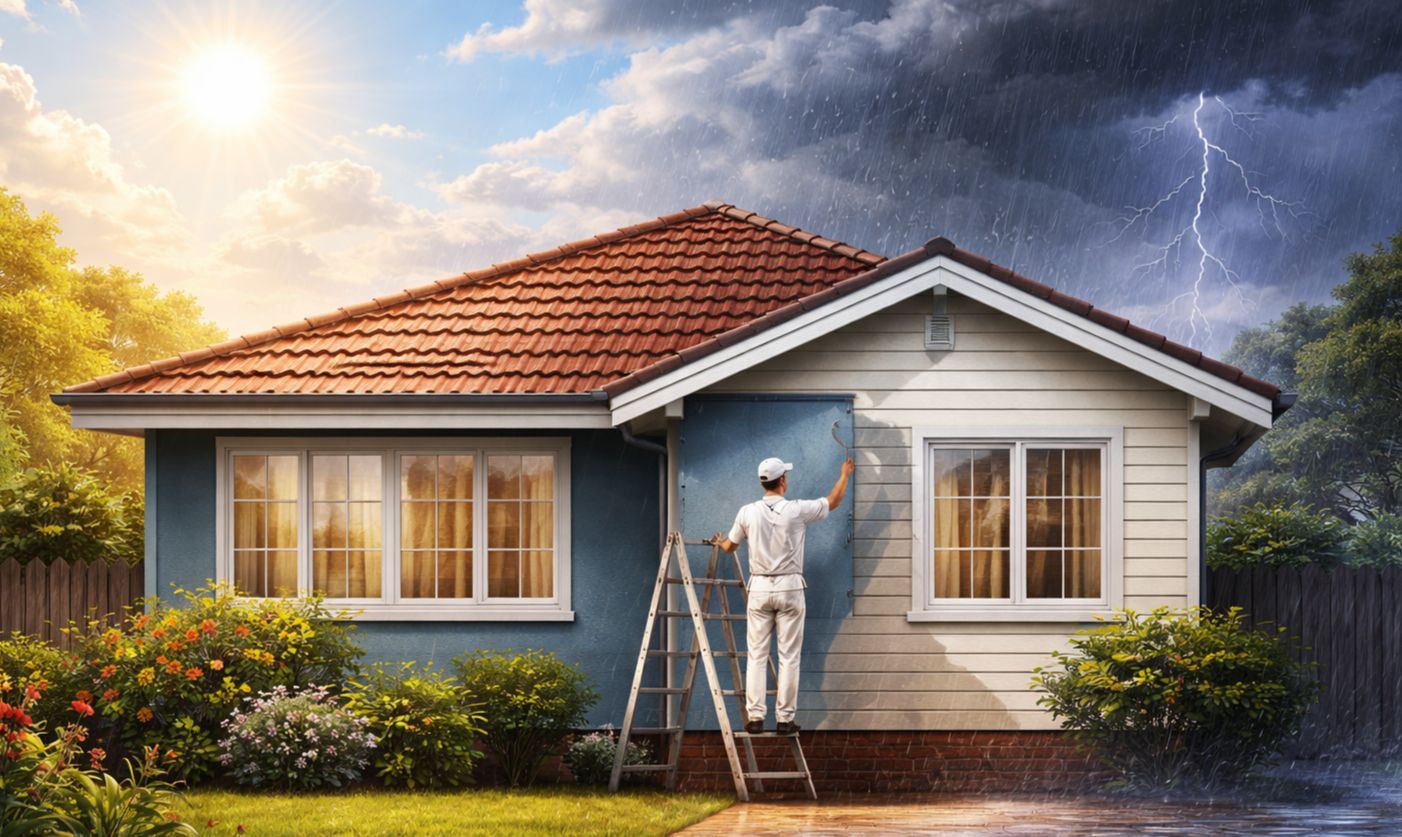


Technical Review of Building Paints in Different Climate Zones : Selecting the right building paint commercial is not just a matter of colour preference or visual appeal. From a technical perspective, climate plays a decisive role in how paint performs over time. Factors such as temperature fluctuations, humidity levels, UV exposure, rainfall, and air pollution directly affect the durability, appearance, and protective qualities of building paints.
In a country like Australia, where climate zones range from tropical and coastal to arid and cold regions, using the wrong type of paint can lead to premature failure, increased maintenance costs, and reduced building lifespan. This article provides a technical review of building paints and how they should be selected and applied in different climatic conditions.
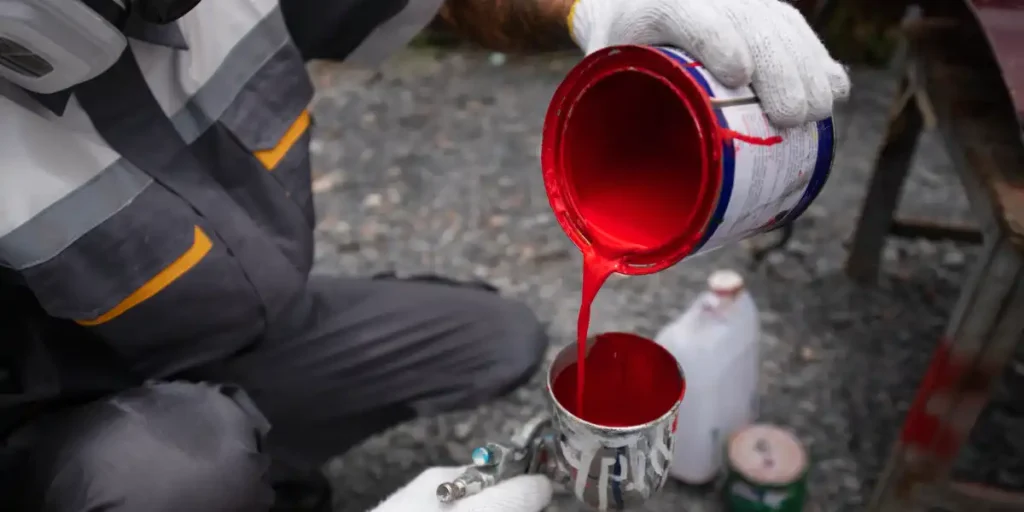
Hot and arid climates, such as those found in central Australia and parts of Western Australia, pose unique challenges for residential painting building paints. High temperatures, intense sunlight, and low humidity levels significantly impact paint behaviour.
One of the main technical concerns in these regions is UV radiation. Prolonged exposure to strong sunlight can cause paint to fade, chalk, or crack over time. Paints used in arid climates must have high UV resistance and strong binders to prevent surface degradation.
Light-coloured paints are generally recommended in hot climates because they reflect solar radiation and reduce heat absorption. This not only protects the paint film but also helps improve indoor thermal comfort by lowering surface temperatures. Acrylic-based exterior paints are commonly used in these regions due to their flexibility, breathability, and resistance to cracking under extreme heat.
Another key factor is thermal expansion. Large temperature differences between day and night can cause building materials to expand and contract. High-quality paints with elastic properties are essential to accommodate this movement and prevent peeling or flaking.
Humid and tropical climates, such as those in northern Queensland, present a very different set of technical requirements. High humidity, heavy rainfall, and warm temperatures create ideal conditions for mould, mildew, and algae growth on painted surfaces.
In these environments, moisture resistance is critical. Paints must be able to repel water while still allowing trapped moisture within the building structure to escape. Breathable paints with advanced moisture-control technology are preferred to prevent blistering and paint failure.
Anti-fungal and anti-microbial additives are essential in tropical regions. Without these protective components, painted surfaces can quickly become stained and damaged, reducing both appearance and protective function. Lighter colours are often chosen to minimise heat absorption, but colour choice must be paired with the right formulation to ensure long-term performance.
Surface preparation is also particularly important in humid climates. Poor preparation can trap moisture beneath the paint layer, leading to rapid deterioration. Technically suitable paints, combined with proper application methods, significantly extend service life in these challenging conditions.

Cold and temperate climates, such as those found in Tasmania and parts of southern Victoria, introduce different technical considerations for building paints. Lower temperatures, frost, rain, and reduced sunlight exposure all influence paint performance.
In colder regions, flexibility and adhesion are critical properties. Paints must remain flexible at low temperatures to prevent cracking caused by material contraction. High-quality acrylic and elastomeric paints are often recommended due to their ability to maintain elasticity in cooler conditions.
Moisture protection is another major concern. Frequent rain and condensation can lead to water penetration if paint systems are not properly selected. Multi-layer coating systems, including primers and sealers, are commonly used to enhance water resistance and surface durability.
Colour selection in cooler climates can differ from hotter regions. Darker colours may be more acceptable, as heat absorption can contribute to passive warming. However, darker paints still require strong UV stabilisers to prevent fading during seasonal sun exposure.
Application timing is also technically important. Many paints have minimum temperature requirements for curing. Using paints designed for low-temperature application ensures proper film formation and long-term performance.
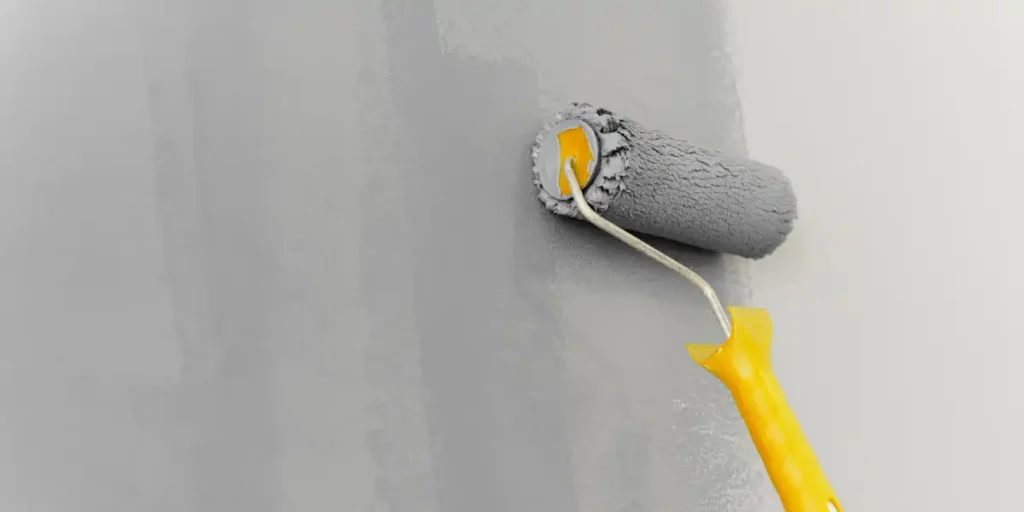
Coastal environments and high-pollution urban areas represent some of the most demanding conditions for building paints. Salt spray, strong winds, moisture, and airborne pollutants accelerate paint deterioration and corrosion of underlying materials.
In coastal regions, salt resistance is a critical technical requirement. Salt particles can penetrate paint films, leading to blistering, peeling, and corrosion of metal substrates. Paint systems used in these areas must include corrosion-inhibiting primers and high-performance topcoats.
High-pollution environments, such as major Australian cities, expose buildings to exhaust fumes, dust, and chemical pollutants. These contaminants can stain surfaces and break down paint binders over time. Smooth, washable paint finishes are often preferred, as they allow easier cleaning and reduce long-term visual damage.
In both environments, durability and adhesion are key performance indicators. Premium-grade paints with enhanced resistance to chemical exposure, moisture, and abrasion provide longer service life and lower maintenance requirements.
Regular inspection and maintenance schedules are also part of a technically sound paint strategy in these regions. Even the best paint systems require monitoring to ensure continued protection and performance.
From a technical standpoint, building paint selection must be closely aligned with climate conditions. No single paint system performs equally well across all environments. Heat, humidity, cold, salt exposure, and pollution each place specific demands on paint formulations and application methods.
In Australia’s diverse climate zones, understanding these technical factors is essential for maximising paint durability, protecting building materials, and reducing long-term maintenance costs. Choosing climate-appropriate paints is not just a matter of aesthetics—it is a critical component of sustainable and high-performance building design.
By combining the right paint technology with proper surface preparation and application, property owners and professionals can ensure that buildings remain protected, efficient, and visually appealing for years to come

All rights reserved for Finish Painting & Maintenance Pty Ltd
ⓒ Copyright 2026