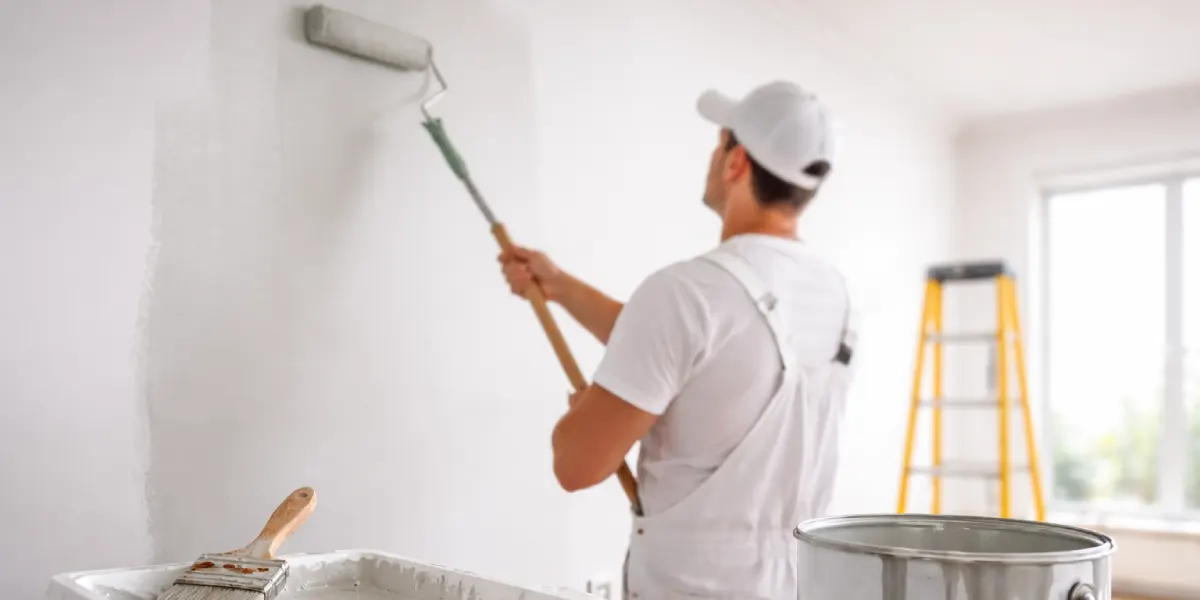
How Many Coats of Paint Are Needed for Interior Walls?
If you are planning to refresh your home, one of the most common and important questions is: how many coats of paint are needed for interior walls? The answer is…


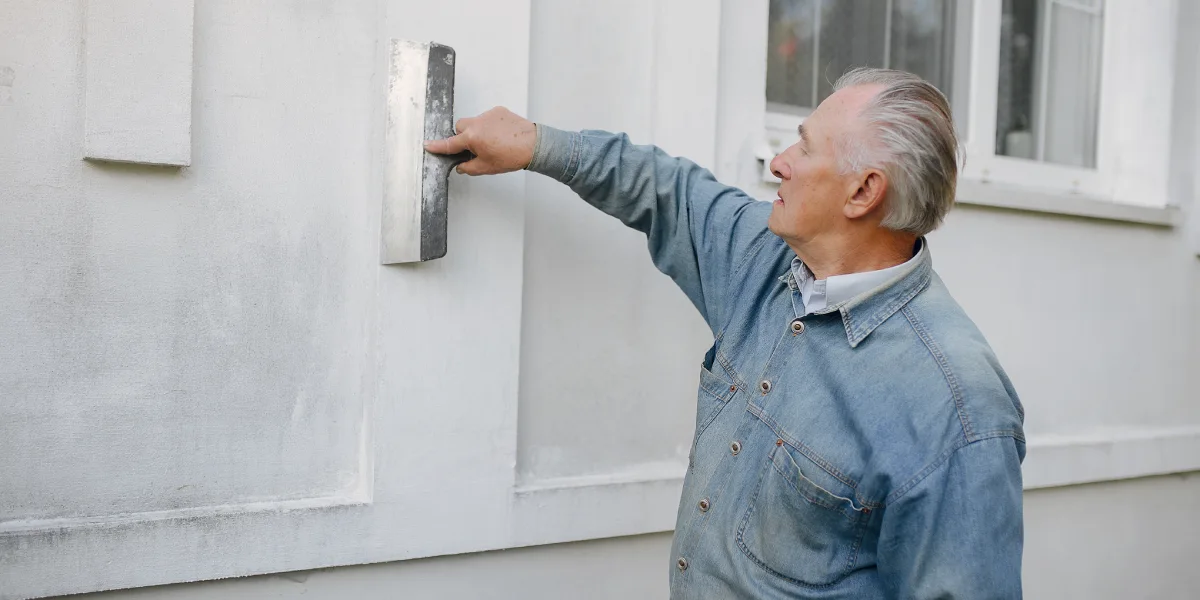
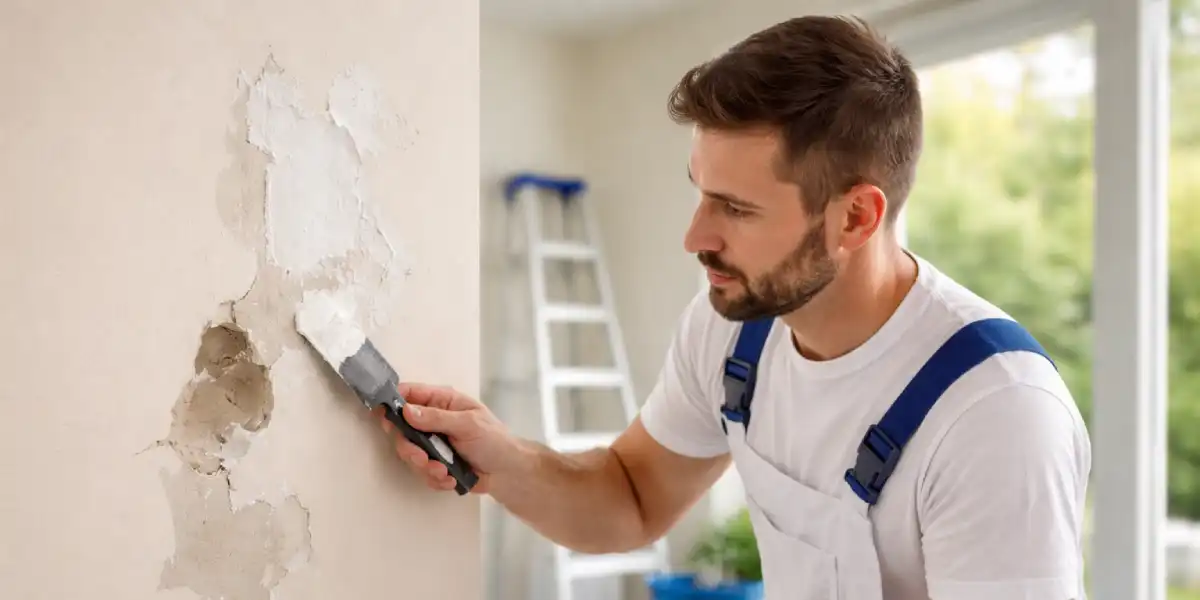


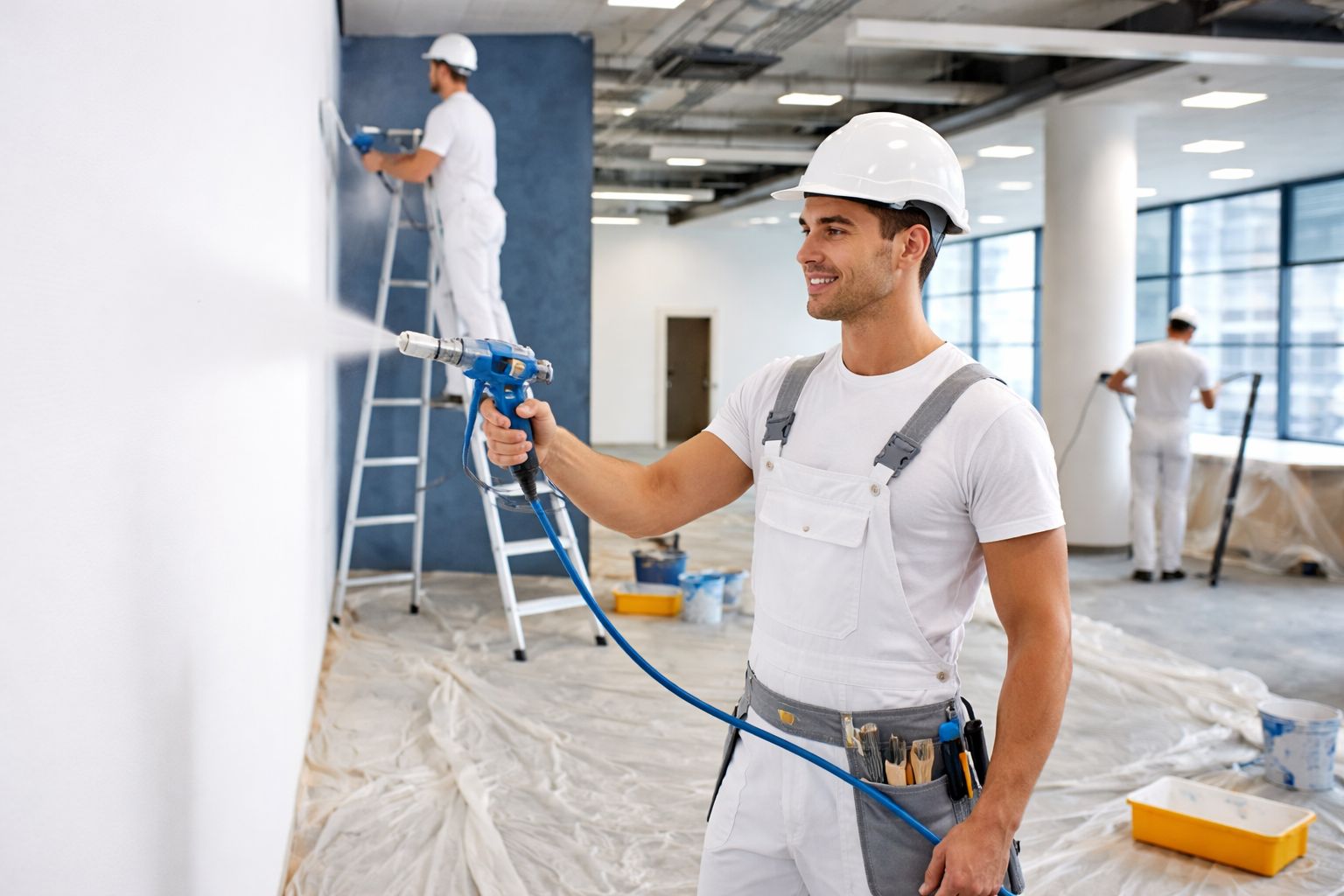

Commercial painting is a skilled trade that requires far more than technical expertise with brushes and rollers. Painters frequently operate in complex environments where exposure to hazardous substances, elevated workspaces, and dynamic site conditions pose significant risks. Understanding What Safety Standards Should Commercial Painters Follow? is essential for protecting workers, clients, and the public while ensuring compliance with Australian regulations.

Professional Commercial painting projects on industrial facilities, office complexes, or retail centres differ significantly from residential painting. These projects often involve coordination with multiple contractors, management of hazardous materials, and strict adherence to workplace health and safety legislation. Identifying the safety standards commercial painters must follow is crucial for risk management, legal compliance, and effective project executionIntroduction
This article provides an authoritative guide on relevant legislation, practical safety requirements, risk mitigation strategies, and training obligations for commercial painters in Australia.
Commercial painters are required to comply with federal and state or territory workplace health and safety (WHS) laws. Most jurisdictions follow the harmonised model WHS framework, including the Work Health and Safety Act and Regulations. Additionally, Codes of Practice and Safe Work Australia guidance materials provide industry-specific instructions for painting operations. Compliance with these frameworks is not optional; failure to adhere can result in significant legal penalties, insurance complications, and reputational damage.
The primary obligation of commercial painters is to maintain a workplace that is safe and free from health risks. This begins with identifying hazards and conducting comprehensive risk assessments before commencing any work. Control measures must be implemented to either eliminate or minimise these risks. Workers should receive detailed information, training, and supervision appropriate to the hazards present, and employers must establish safe systems of work. Consultation with employees is also a legal requirement, ensuring that the workforce is actively engaged in maintaining safety standards. The hierarchy of controls guides this process, prioritising elimination, substitution, engineering controls, administrative controls, and, finally, personal protective equipment.
Appropriate personal protective equipment (PPE) is vital for preventing injuries and chemical exposure. Commercial painters are expected to use PPE suitable for the specific risks they face, including head protection on construction sites, high-visibility clothing, safety footwear, gloves designed for chemical handling, eye protection, and respiratory equipment where required. Employers must ensure the correct use of PPE and regularly assess its adequacy, condition, and suitability for the work environment.
Hazardous substances, including paints, solvents, and VOCs, are common in commercial painting. Compliance with Safe Work Australia’s Hazardous Chemicals Code of Practice and relevant Australian Standards, such as AS/NZS 4452 for chemical labelling, is mandatory. Painters must ensure safe storage and handling of chemicals, provide accessible material safety data sheets (MSDS), and receive training on the risks associated with chemical exposure. Proper ventilation and emission reduction strategies are essential to minimise health hazards on site.

Commercial painting frequently involves working at significant heights on scaffolding, ladders, boom lifts, or elevated platforms. Standards such as AS/NZS 1891 for fall-arrest systems and AS/NZS 1576 for scaffolding must be strictly followed. Work platforms should be erected and inspected by qualified personnel, and fall protection equipment, including harnesses and lanyards, must be provided wherever the risk of a fall exists. Where reasonably practicable, the need to work at heights should be eliminated through alternative methods.
Painting in confined spaces such as tanks, ducts, and silos introduces risks including oxygen deficiency, toxic exposure, and entrapment. Compliance with AS 2865 for confined spaces is mandatory. This includes the development and enforcement of confined space entry permits, continuous atmospheric monitoring, and the presence of rescue plans with trained standby personnel. Commercial painters must undergo specialised training in confined space procedures and emergency response.
Electrical hazards may arise from using powered equipment or working near live circuits. Painters must identify electrical risks before starting work, implement lock-out and tag-out procedures, use residual current devices (RCDs) for portable equipment, and maintain all tools and leads in safe working condition. Adherence to AS/NZS 3000 wiring rules is essential in environments where electrical risks are present.
Commercial painting projects often take place in operational sites with staff and public traffic. Painters are required to implement traffic management and site access plans, including clear signage and barricades to prevent unauthorised entry. Effective communication with facility operators and the public is essential to reduce the risk of accidents and ensure that work zones are safe.
A robust risk assessment framework is critical to maintaining a safe commercial painting environment. Job hazard analyses, pre-start safety briefings, and documented Safe Work Method Statements for high-risk work are integral components. These measures support continuous monitoring and adjustment of safety strategies, ensuring that risks are actively managed and compliance obligations are met.

Competent, trained personnel are the foundation of workplace safety. Commercial painters should hold qualifications such as Certificate III in Painting and Decorating and undertake training in working at heights, confined space entry, first aid, and hazardous chemical handling. Ongoing professional development reinforces safe practices and aligns operational standards with industry best practice.
Maintaining a structured incident reporting system enables commercial painting businesses to capture near misses, injuries, property damage, and unsafe conditions. Analysing these reports informs corrective actions and promotes continuous improvement in safety practices. A proactive approach to safety management enhances workforce wellbeing and operational reliability.
Conclusion
Understanding what safety standards commercial painters should follow is essential for protecting workers, clients, and the public, as well as ensuring legal compliance. Adherence to WHS legislation, Australian Standards, hazard management protocols, training requirements, and structured safety management systems forms the cornerstone of safe and effective commercial painting operations. By implementing these standards comprehensively, businesses demonstrate professionalism, mitigate risk, and contribute to high-quality project delivery.

All rights reserved for Finish Painting & Maintenance Pty Ltd
ⓒ Copyright 2026