1. Aesthetic Appeal: Style and Design Flexibility Is It Better to Use Wallpaper or Paint for Modern Interiors? When it comes to modern interior design, aesthetics play a huge role…
You’ve rolled the first coat, stepped back, and spotted streaks, patchy colour, and a faint reminder of the old feature wall. Does it need another coat, a different roller, or…
You can spend weeks choosing the perfect wall painting services, only to discover it looks completely different once the room is painted. Sometimes the colour isn’t the problem—it’s the sheen.…
Painting your home can be a lot of fun, but let’s be honest: DIY painting doesn’t always go as planned. Even small mistakes can make your walls look messy or…
Painting your home can completely refresh its appearance, but before any brush touches the wall, ensuring that your walls are in good condition is crucial. Repairing wall damage before Residential…
Selling a residential property is both a financial and emotional decision. Homeowners often face a critical question before listing their property on the market: Is interior house painting worth it…
House painting in Australia is uniquely challenging due to the country’s diverse and often extreme climate. From intense UV radiation and scorching summer heat to high humidity, sudden rainfall, and…
Commercial painting is a specialised craft that demands more than simply applying a coat of paint. In Melbourne, professional painters combine technical skill, precision and extensive knowledge of materials to…
Table of Contents
How to Make Painting Last Longer: Expert Tips : Painting is a substantial investment for any property, whether residential painting or commercial painting. Beyond aesthetics, high-quality painting protects surfaces from wear, moisture, and environmental exposure. However, even the best paintwork can fail prematurely if the correct processes are not followed. Understanding how to make painting last longer requires a combination of technical knowledge, careful preparation, quality materials, and ongoing maintenance.
This expert guide explains the critical factors that influence paint longevity and how to apply professional techniques that ensure painted surfaces remain durable, visually appealing, and structurally sound for years.
Understanding Why Paint Deteriorates Over Time
Paint deterioration rarely happens without cause. In most cases, premature peeling, cracking, blistering, or fading is the result of inadequate surface preparation, poor product selection, or unsuitable application conditions.
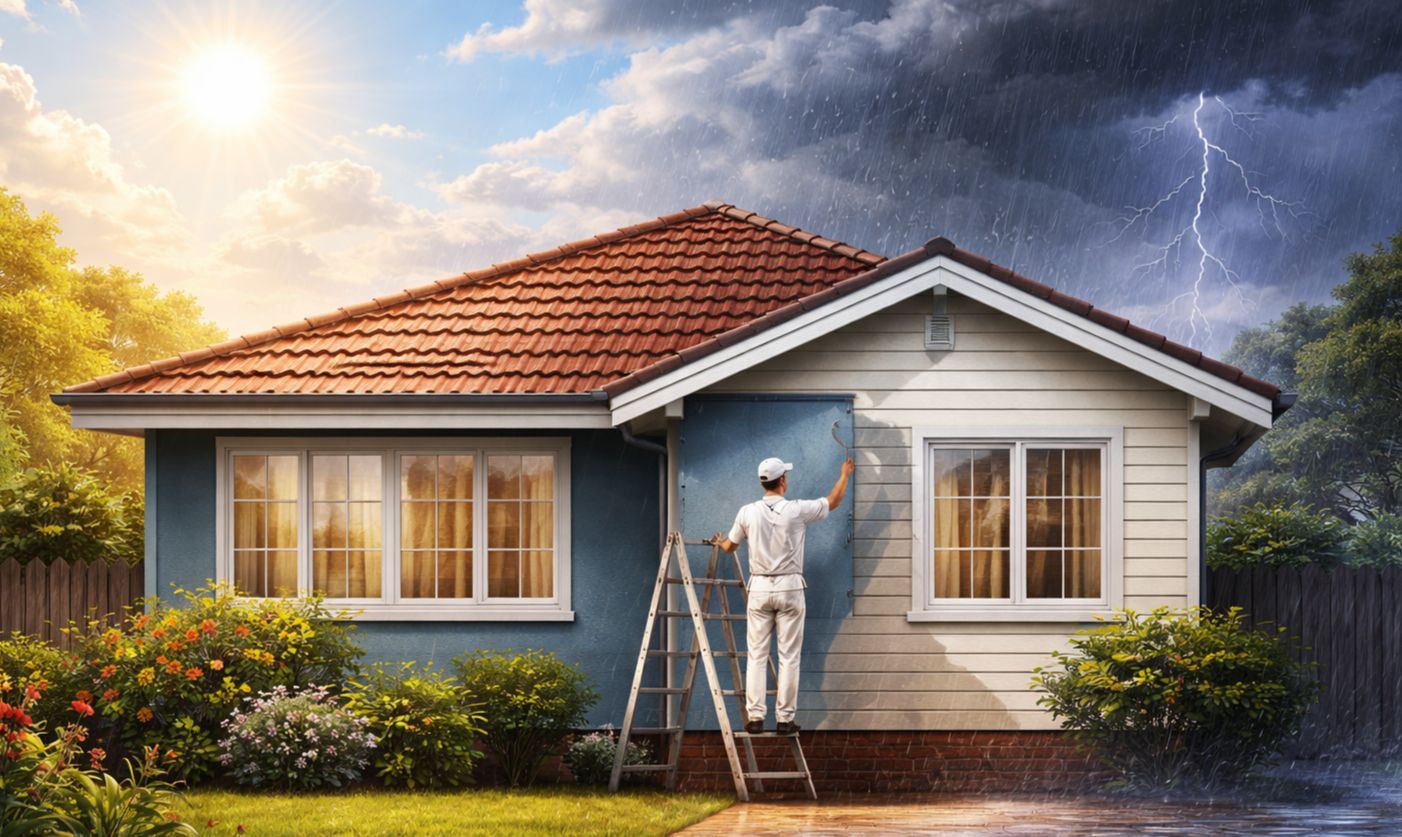
Environmental factors such as moisture, ultraviolet exposure, temperature fluctuations, and humidity also play a major role, particularly in Australia’s diverse climate zones. Addressing these issues before painting begins is essential to improving long-term performance.
The Importance of Thorough Surface Preparation
If the objective is to make painting last longer, surface preparation must never be rushed. Paint adheres properly only when applied to a clean, stable, and sound surface. Dirt, grease, mould, and existing paint residue interfere with adhesion and cause early failure. Surfaces should be thoroughly cleaned using appropriate methods based on the material being painted, whether that involves washing interior walls or pressure cleaning exterior areas.
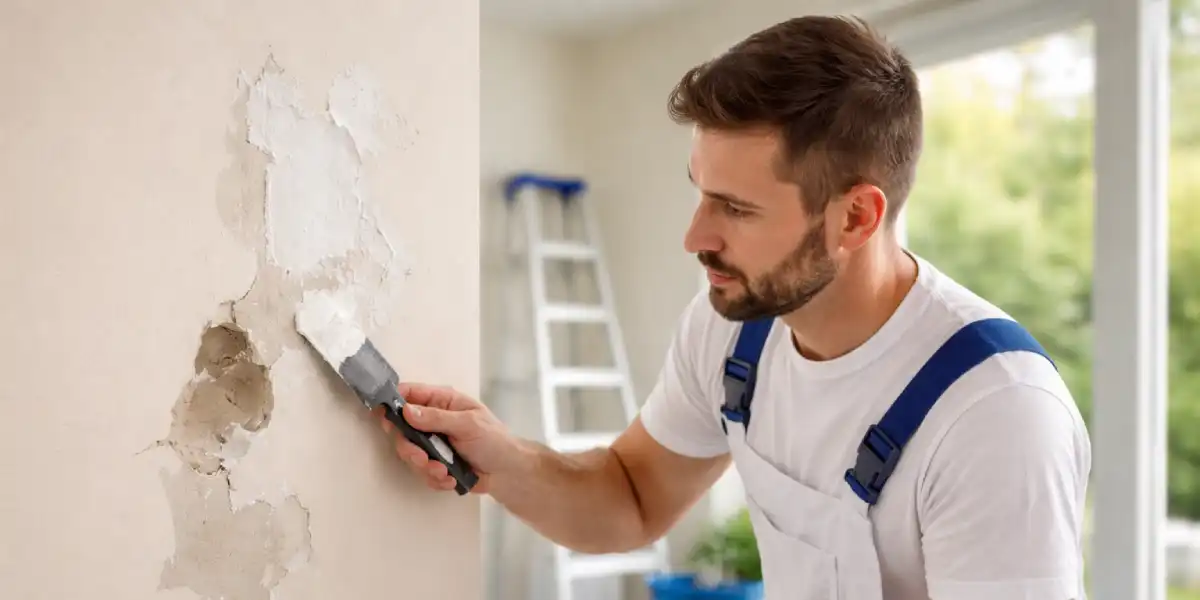
Any imperfections such as cracks, holes, flaking paint, or damaged substrates must be repaired prior to painting. These repairs should be allowed to dry and cure completely. Sanding is also a critical step, as it creates a surface profile that allows the paint to bond effectively, particularly on glossy or previously painted surfaces.
Choosing High-Quality Paint and Materials
One of the most effective ways to make painting last longer is to invest in premium paint products. High-quality paints contain superior binders and pigments, which provide stronger adhesion, improved flexibility, and greater resistance to fading and weathering. Cheaper paints often break down more quickly, leading to uneven finishes and early deterioration.
Paint should always be selected based on the surface type and the environment. Interior areas with high moisture, such as bathrooms and laundries, require specialised formulations, while exterior surfaces need paints designed to withstand UV exposure, rain, and temperature extremes. The use of professional-grade brushes and rollers also contributes to a more consistent application and a stronger paint film.
The Role of Primer in Paint Longevity
Primer is a fundamental component of long-lasting paintwork. It acts as a bonding layer between the surface and the topcoat, ensuring proper adhesion and uniform coverage. Primer also seals porous materials, blocks stains, and prevents tannin bleed-through on timber surfaces. Skipping this step often results in uneven finishes and significantly reduced paint lifespan.
Different surfaces require different primers, and selecting the correct product ensures compatibility and optimal performance. When primer is applied correctly and allowed to dry fully, it creates a stable foundation that extends the life of the final paint layers.
Applying Paint Correctly for Maximum Durability
Application technique directly affects how long paint lasts. Paint should always be applied according to the manufacturer’s instructions, including recommended temperature ranges, humidity levels, and drying times. Painting in unsuitable conditions can prevent proper curing and weaken the paint film.
Multiple thin coats are far more effective than a single thick coat. Thin layers dry evenly, bond better to the surface, and resist cracking over time. Each coat should be allowed to dry fully before the next is applied to ensure structural integrity and durability.
Allowing Proper Drying and Curing Time
While paint may feel dry shortly after application, full curing takes significantly longer. During this period, the paint hardens and reaches its maximum durability. To make painting last longer, newly painted surfaces should be protected from impact, moisture, and cleaning until curing is complete. Rushing this process often results in surface damage that shortens the lifespan of the paintwork.
Ongoing Maintenance to Preserve Painted Surfaces
Maintenance plays a vital role in extending the life of paint. Regular cleaning removes dust, grime, and mould that can degrade the paint surface over time. Any minor damage, such as chips or cracks, should be repaired promptly to prevent moisture penetration and further deterioration.
Moisture management is particularly important. Leaks, condensation, and poor ventilation can compromise even the highest-quality paint systems. Identifying and resolving these issues early is essential to maintaining long-term results.
Special Considerations for Exterior Painting
Exterior paint is exposed to harsher conditions and requires additional care. UV radiation, rain, wind, and temperature fluctuations accelerate wear, making product selection and preparation even more critical. Using weather-resistant paints, sealing gaps effectively, and maintaining surrounding areas helps exterior painting withstand Australia’s environmental conditions and remain intact for longer periods.
How Long Should Quality Paint Last?
When applied correctly, interior paint typically lasts between seven and ten years, while exterior paint generally lasts five to eight years. These timeframes can often be extended when professional techniques, premium materials, and proper maintenance are consistently applied.
Final Thoughts on How to Make Painting Last Longer
Learning how to make painting last longer is not about shortcuts or single solutions. It is the result of careful preparation, informed product choices, skilled application, and proactive maintenance. By following expert principles at every stage of the painting process, property owners can significantly reduce repainting frequency, protect their investment, and achieve a finish that remains durable and visually appealing over time.
How can I make painting last longer in Australia’s climate?
To make painting last longer in Australia’s climate, focus on three essentials: using climate-appropriate paint, preparing the surface properly, and painting in the right conditions. Australia’s strong UV exposure, humidity, and temperature changes can quickly break down paint if the wrong products or methods are used.
Choose high-quality paints designed for Australian conditions, particularly those with UV and moisture resistance. Thoroughly clean and dry all surfaces before painting to remove dirt, mould, and salt residue, especially in coastal areas. Always use a suitable primer to improve adhesion and protect against moisture and heat stress.
Paint during mild, dry weather and avoid extreme heat, humidity, or rain, as these conditions prevent proper curing. Finally, carry out basic maintenance by cleaning surfaces occasionally and repairing small chips early to prevent larger damage.
Following these simple steps will help make painting last longer and maintain its appearance despite Australia’s harsh climate.
Frequently Asked Questions
How long should paint be left to cure before cleaning or use?
Although paint may feel dry within hours, full curing can take several days or even weeks, depending on the product and conditions. To make painting last longer, it is important to avoid washing, scrubbing, or placing stress on freshly painted surfaces until the curing process is complete. Premature use can damage the paint film and shorten its lifespan.
How often should painted surfaces be maintained or repainted?
Painted surfaces should be inspected regularly and maintained as needed to extend their lifespan. Interior paint typically lasts seven to ten years, while exterior paint lasts around five to eight years. Regular cleaning, prompt repairs, and managing moisture issues can significantly delay the need for repainting and help make painting last longer overall.