1. Aesthetic Appeal: Style and Design Flexibility Is It Better to Use Wallpaper or Paint for Modern Interiors? When it comes to modern interior design, aesthetics play a huge role…
You’ve rolled the first coat, stepped back, and spotted streaks, patchy colour, and a faint reminder of the old feature wall. Does it need another coat, a different roller, or…
You can spend weeks choosing the perfect wall painting services, only to discover it looks completely different once the room is painted. Sometimes the colour isn’t the problem—it’s the sheen.…
Painting your home can be a lot of fun, but let’s be honest: DIY painting doesn’t always go as planned. Even small mistakes can make your walls look messy or…
Painting your home can completely refresh its appearance, but before any brush touches the wall, ensuring that your walls are in good condition is crucial. Repairing wall damage before Residential…
Selling a residential property is both a financial and emotional decision. Homeowners often face a critical question before listing their property on the market: Is interior house painting worth it…
House painting in Australia is uniquely challenging due to the country’s diverse and often extreme climate. From intense UV radiation and scorching summer heat to high humidity, sudden rainfall, and…
Commercial painting is a specialised craft that demands more than simply applying a coat of paint. In Melbourne, professional painters combine technical skill, precision and extensive knowledge of materials to…
Table of Contents
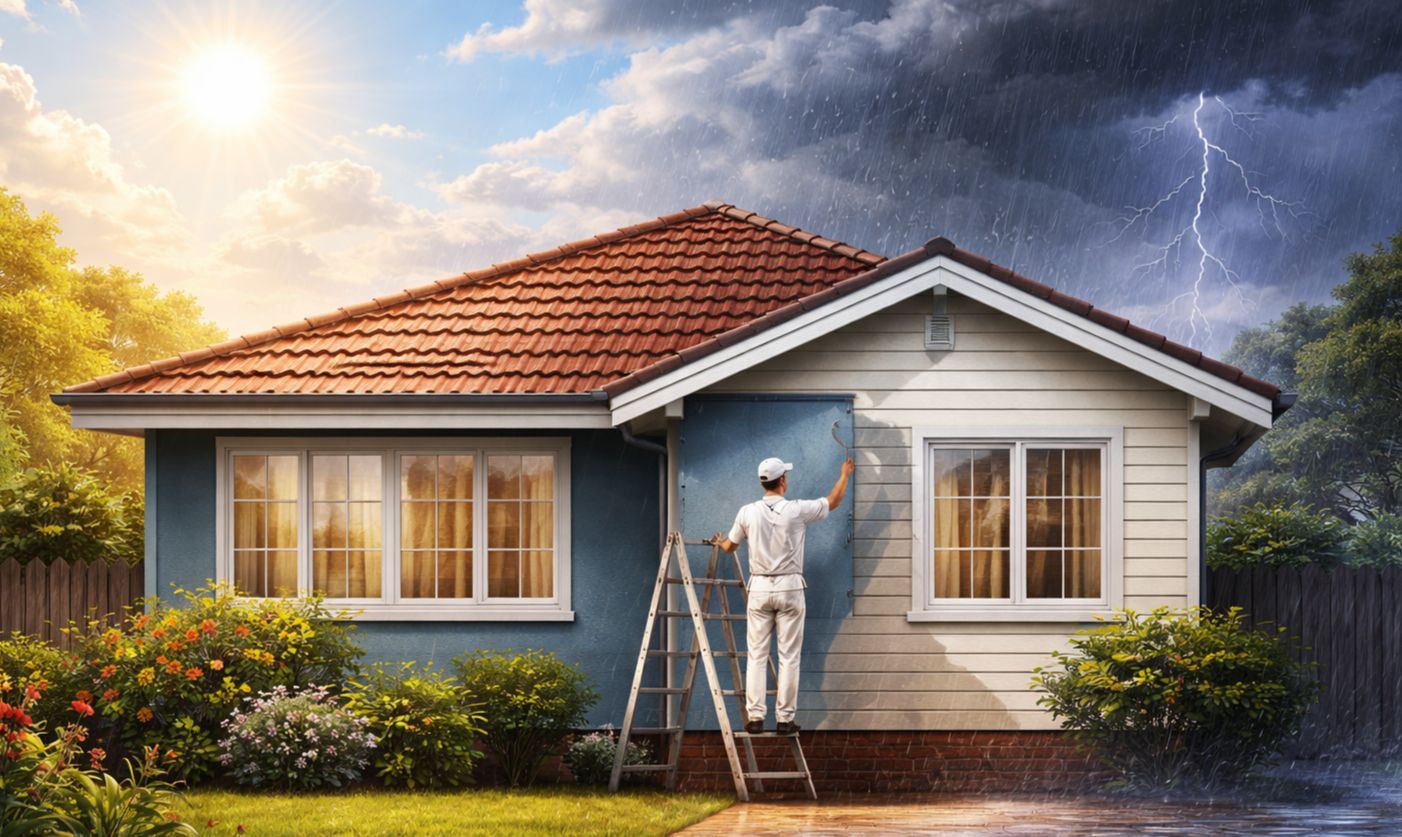
House painting in Australia is uniquely challenging due to the country’s diverse and often extreme climate. From intense UV radiation and scorching summer heat to high humidity, sudden rainfall, and fluctuating temperatures, weather conditions directly influence how paint performs and how long it lasts. Understanding how Australian weather conditions affect house painting is essential for homeowners who want durable, high-quality finishes. It is also a key reason why professional painters with local expertise are critical, particularly in cities like Melbourne, where the weather can change dramatically within a single day.
Paint is more than just a cosmetic layer; it protects surfaces, bonds properly, and withstands environmental stress. Weather influences paint adhesion, drying and curing times, finish quality, and long-term durability. Ignoring these factors can result in premature peeling, cracking, fading, and costly repaints. Professional House painters in Melbourne integrate weather assessment as an essential part of their planning process, ensuring that each project adapts to local conditions for optimal results.
Understanding the Impact of Temperature on Painting
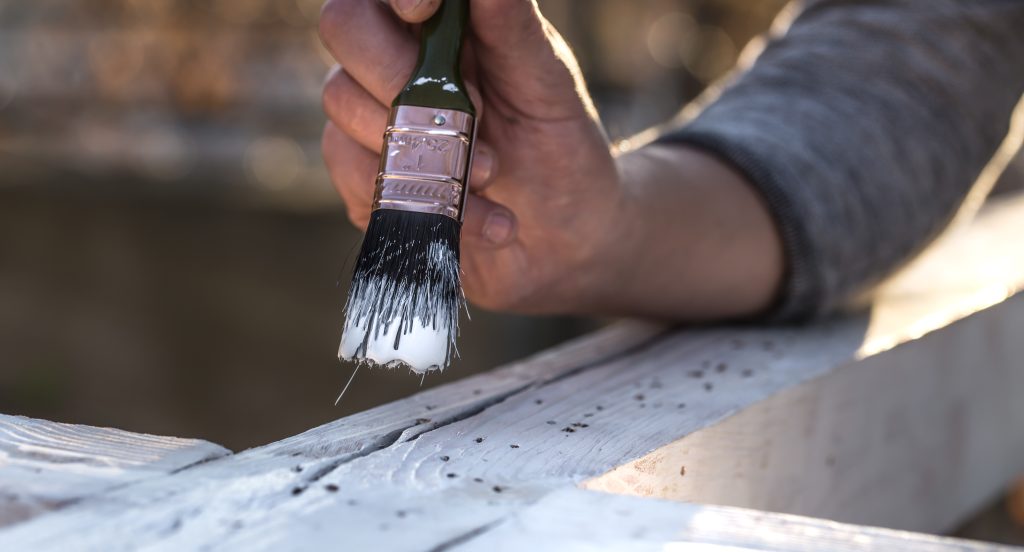
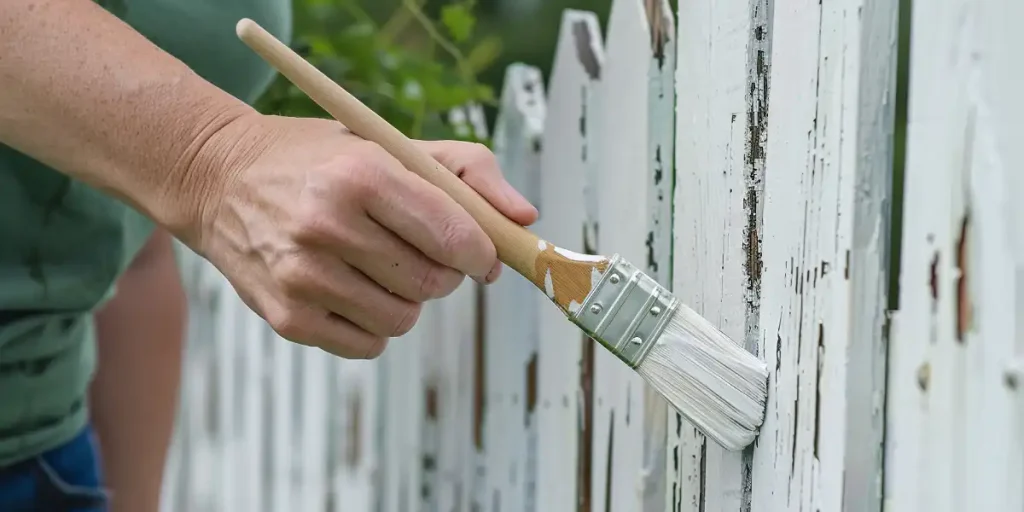
male hand paints with white paint on wood, painting concept, close-up, place for text
Painting in Hot Conditions
High temperatures are common across Australia, especially during the summer months. While warm weather may appear ideal for painting, extreme heat can cause paint to dry too quickly, preventing proper adhesion to surfaces. Rapid drying may also make brush or roller marks more visible and result in uneven finishes. A phenomenon known as skinning over can occur, where the paint appears dry on the surface but has not fully cured underneath. Professional painters mitigate these risks by scheduling work during cooler parts of the day, selecting heat-tolerant paints, and painting in shaded areas to ensure consistent results.
Painting in Cold Conditions
Cold weather, prevalent during Melbourne’s winter months, slows the drying and curing process. Applying paint to cold surfaces can lead to poor adhesion, cracking, or peeling as temperatures rise. Most paint products specify minimum temperature requirements, often around 10°C, below which performance is compromised. Professional painters monitor both air and surface temperatures and select products designed to perform in cooler conditions, ensuring the paint cures properly and maintains long-term durability.
How Humidity Affects Paint Performance
High Humidity Challenges
Humidity is a critical factor in painting, particularly in coastal and southern Australian cities. High humidity slows paint drying, increases the risk of blistering, and encourages mould or mildew growth. Interior areas like kitchens, bathrooms, and laundry spaces are particularly vulnerable if humidity is not considered.
Low Humidity Considerations
Although low humidity accelerates drying, it can also prevent the paint from levelling correctly, leaving visible brush or roller marks and reducing adhesion. Professional painters adjust their timing, ventilation, and product selection based on humidity levels to ensure a smooth and long-lasting finish.
The Role of Rain and Moisture in Exterior Painting
Painting Before or After Rain
Moisture is one of the most significant threats to paint adhesion. Painting on damp surfaces or immediately before rainfall can lead to peeling, flaking, and trapped moisture beneath the paint layer. Melbourne’s unpredictable weather makes accurate scheduling essential for exterior projects. Professional painters assess surface moisture, allow adequate drying time after rain, and carefully plan painting schedules to avoid moisture-related failures.
Long-Term Moisture Exposure
Houses exposed to ongoing moisture due to poor drainage, shaded areas, or coastal proximity require specialised paint systems. Professional painters use breathable coatings, mould-resistant primers, and moisture-tolerant paints to ensure the longevity of exterior finishes, protecting homes from long-term weather-related damage.
UV Exposure and Its Effects on Paint
Australia’s high levels of UV radiation can degrade paint over time. UV exposure causes colour fading, chalking, and breakdown of paint binders, reducing flexibility and increasing the risk of cracking. Professional painters counteract these effects by using UV-resistant paints, lighter colours for sun-exposed areas, and premium exterior coatings specifically designed for Australia’s harsh sunlight. By selecting the right products and techniques, painters ensure that paint remains vibrant and durable for years.
Wind and Dust: Overlooked Environmental Factors
Windy conditions can blow dust and debris onto wet paint, create uneven surfaces, and accelerate drying unpredictably. In suburban Melbourne, construction, traffic, and landscaping can exacerbate these issues. Professional painters adapt their approach by working in sheltered areas, using protective barriers, and adjusting application methods to maintain a clean, smooth finish, even in challenging conditions.
Seasonal Considerations for Painting in Melbourne
Summer Painting
Summer presents warm temperatures and high UV exposure, making early starts, shaded work areas, and careful scheduling essential. While paint dries faster, the risk of uneven finishes and rapid surface drying must be managed.
Autumn Painting
Autumn typically provides the most favourable painting conditions, with stable temperatures and lower humidity, making it ideal for both interior and exterior projects.
Winter Painting
Winter limits exterior painting opportunities due to cold and moisture, making interior projects more suitable. Painters must closely monitor temperatures and select products compatible with cooler conditions.
Spring Painting
Spring presents variable weather and occasional rainfall, requiring flexible scheduling and careful monitoring to prevent moisture-related issues.
Professional painters plan projects according to seasonal conditions, ensuring the highest quality results regardless of time of year.
Professional Techniques for Weather-Adapted Painting
Professional painters succeed by adapting to weather conditions rather than ignoring them. They assess forecasts, monitor air and surface conditions, select paints suitable for current environmental factors, and adjust their application techniques accordingly. Primers, sealers, and professional-grade coatings are often chosen to ensure optimal adhesion, even under challenging conditions. Homeowners who attempt DIY painting without this knowledge often experience peeling, uneven finishes, and premature deterioration, highlighting the value of hiring an experienced, local painter.
Benefits of Weather-Aware Painting
Weather-aware professional painting offers multiple benefits. Homeowners gain longer-lasting finishes, improved protection for their property, reduced maintenance costs, and enhanced visual appeal. In Melbourne’s variable climate, these benefits are particularly evident. Choosing a painter who understands how Australian weather conditions affect house painting significantly increases the likelihood of a durable, high-quality result.
Choosing a Painter with Local Expertise
When selecting a professional painter, homeowners should prioritise local experience, knowledge of Australian building materials and standards, and transparent communication about weather-related considerations. A painter with expertise in local climate conditions can plan projects effectively, mitigate risks, and deliver superior results. Understanding environmental factors such as temperature fluctuations, humidity, rainfall, UV exposure, and wind is crucial for achieving a finish that lasts for years.
Conclusion
Australian weather is a critical factor that influences every aspect of house painting, from adhesion and drying times to finish quality and long-term durability. Temperature, humidity, rain, UV radiation, and wind all affect how paint performs immediately and over time. Professional painters work with these conditions, using expertise, planning, and suitable products to achieve consistent, high-quality results. For homeowners in Melbourne, hiring a painter who understands the nuances of local weather is essential for protecting their home, enhancing its appearance, and extending the lifespan of their paintwork.