1. Aesthetic Appeal: Style and Design Flexibility Is It Better to Use Wallpaper or Paint for Modern Interiors? When it comes to modern interior design, aesthetics play a huge role…
You’ve rolled the first coat, stepped back, and spotted streaks, patchy colour, and a faint reminder of the old feature wall. Does it need another coat, a different roller, or…
You can spend weeks choosing the perfect wall painting services, only to discover it looks completely different once the room is painted. Sometimes the colour isn’t the problem—it’s the sheen.…
Painting your home can be a lot of fun, but let’s be honest: DIY painting doesn’t always go as planned. Even small mistakes can make your walls look messy or…
Painting your home can completely refresh its appearance, but before any brush touches the wall, ensuring that your walls are in good condition is crucial. Repairing wall damage before Residential…
Selling a residential property is both a financial and emotional decision. Homeowners often face a critical question before listing their property on the market: Is interior house painting worth it…
House painting in Australia is uniquely challenging due to the country’s diverse and often extreme climate. From intense UV radiation and scorching summer heat to high humidity, sudden rainfall, and…
Commercial painting is a specialised craft that demands more than simply applying a coat of paint. In Melbourne, professional painters combine technical skill, precision and extensive knowledge of materials to…
Table of Contents
Painting your home can be a lot of fun, but let’s be honest: DIY painting doesn’t always go as planned. Even small mistakes can make your walls look messy or uneven. If you’ve ever spent hours painting a room only to notice streaks, bubbles, or peeling paint, you’re not alone. The good news is, most of these problems can be fixed, and in this guide, we’ll show you exactly how to do it.
Whether you’re working on a bedroom in South Melbourne, looking into House Painting Balwyn, or refreshing the exterior of a property through House Painting Brighton services, understanding how to fix common DIY painting mistakes will save you time, money, and frustration. By the end of this guide, you’ll feel confident tackling your next painting project like a professional.
Why DIY Painting Mistakes Happen
Before you start fixing things, it helps to know why mistakes happen in the first place. Most DIY errors fall into three main categories: preparation problems, application errors, and finishing issues. Once you know which type of mistake you’re dealing with, it’s easier to solve it.
Preparation Mistakes
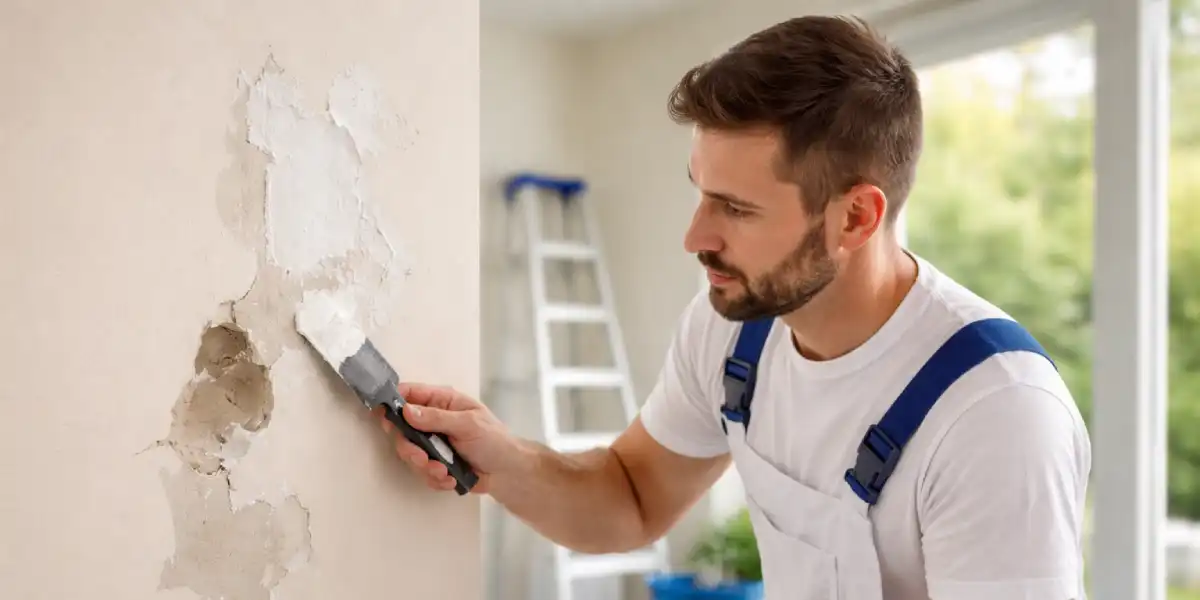
Skipping preparation is the most common DIY error. Dirty walls, cracks, and old flaking paint make it hard for new paint to stick. In Melbourne, humidity in suburbs like Eastern Melbourne can make things worse, causing paint to bubble or peel if you skip the primer.
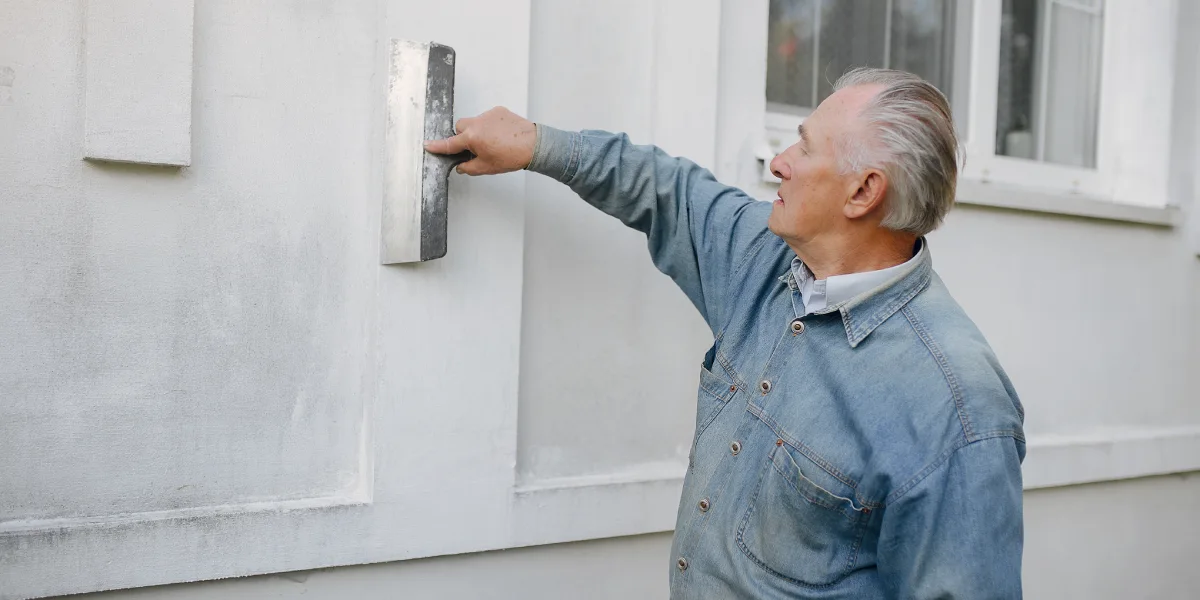
How to fix it: Start by sanding any rough patches and filling holes with a quality filler. Make sure your walls are clean and free of dust or grease. Apply a primer that’s right for your wall type (water-based for interiors and weather-resistant for outside walls). This will give your paint a solid base and make the finish last longer.
Application Errors
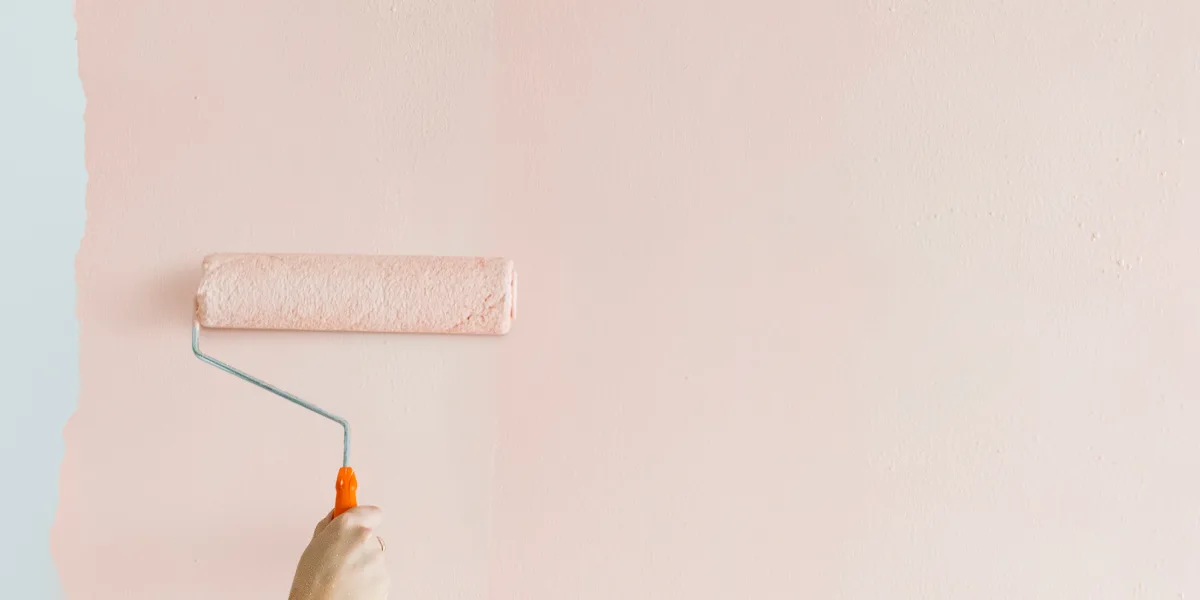
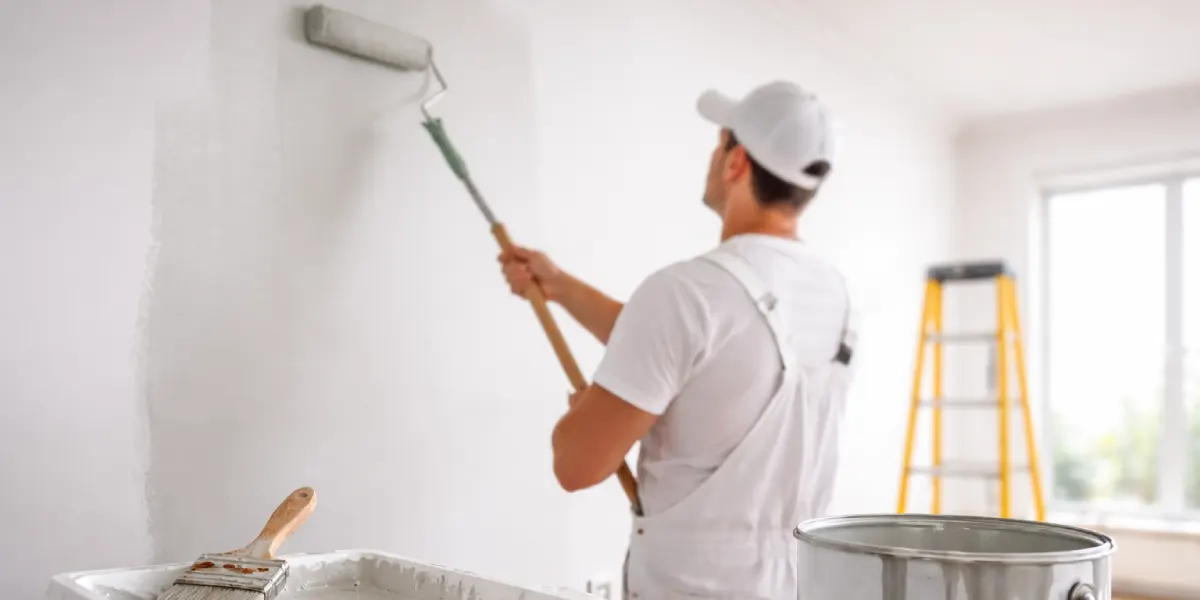
Roller marks, brush lines, or uneven coats usually happen because of technique or tools. Using too much paint at once, working too fast, or not following drying times can leave your walls looking patchy. Many homeowners in Northern and Western Melbourne run into these problems.
How to fix it: If the paint is still wet, smooth it with a brush or roller. If it’s dry, lightly sand the area first. Reapply paint in thin, even coats. Use consistent strokes in the same direction and don’t rush—patience makes a huge difference.
Colour and Finish Problems
Sometimes the problem isn’t the painting technique, but the colour or finish you chose. Glossy paints can highlight every bump, while matte paints can look patchy if not applied evenly.
How to fix it: For colour issues, you can do a complementary coat or repaint with a better shade. For finish problems, sand lightly and reapply the correct finish. If you’re unsure, local Melbourne paint suppliers can advise on colours and finishes that suit your lighting and home style.
Fixing Mistakes in Melbourne’s Climate
Melbourne’s weather adds another layer of challenge. Coastal areas often have high humidity, and inland suburbs can get rapid temperature changes. These conditions affect how paint dries and adheres. Knowing how to work with your local climate will save you headaches.
Humid Suburbs (Eastern and Southern Melbourne)
High humidity slows drying and can cause runs or bubbles. Let the paint dry completely before sanding, and consider a humidity-resistant paint. Give each coat plenty of time to dry before adding another.
Older Homes and Weathered Surfaces (Northern and Western Melbourne)
Older houses often have uneven plaster or several layers of old paint. This can make new paint flake or peel. Scrape away loose paint, sand uneven spots, and use a primer to create a smooth surface before repainting.
Sun-Exposed Walls
Walls that get lots of sun can fade or crack more quickly. Sand and smooth any damaged areas, and choose a quality exterior paint with UV protection to help your colour last.
Step-by-Step DIY Fixes
Here’s a practical approach to correcting common mistakes:
Identify the mistake: Is it peeling, streaks, uneven colour, or cracks?
Prepare the surface: Clean, sand, and fill imperfections.
Pick the right tools: Use good-quality brushes and rollers.
Apply paint in thin, even coats: Avoid thick layers that run or bubble.
Give it time: Especially in humid or cooler conditions.
Inspect and touch up: Look for areas that need a final polish.
Doing this methodically keeps mistakes from coming back and delivers a professional result for your house painting in Melbourne؛ or better yet, consider engaging a professional painter to ensure a flawless finish that lasts.
Preventing Future DIY Painting Mistakes
Fixing mistakes is great, but prevention is even better. Always prep your walls properly, choose suitable paint, and apply it in thin, even coats. Test colours in a small area first. Consider local conditions, like humidity in coastal suburbs or older plaster textures in heritage homes.
Using high-quality brushes and rollers makes a big difference. Primer is essential for both inside and outside walls. And remember, occasional touch-ups and maintenance will help your paintwork stay looking fresh for longer.
Conclusion
Knowing how to fix common DIY painting mistakes gives you confidence to take on painting projects without stress. By focusing on preparation, application, and finish, you can get professional results even as a DIYer.
No matter whether you’re in Melbourne’s inner suburbs or further out, these tips will help your walls look smooth, vibrant, and long-lasting. For extra guidance or professional help, Finishpainting provides expert painting services tailored to each Melbourne suburb, ensuring your home always looks its best.
Frequently Asked Questions
How can I fix paint peeling on outside walls of my Melbourne home?
Many homeowners in Melbourne suburbs face peeling paint on exterior walls due to sun, rain, or humidity. Solutions often require sanding, priming, and using weather-resistant paints.
How do I choose the right primer for fixing DIY painting mistakes on different wall surfaces?
Using the correct primer is key to a long-lasting repair. Interior walls, exterior walls, plaster, or previously painted surfaces each need primers suited to their material and condition.